Since 1717, Give or Take 292 Years
France's highest court just ruled that a four-digit year on a handbag can be a lie. The company that put it there was founded in 2009.
On September 23, France's Cour de cassation upheld the invalidation of two trademarks reading “Fauré Le Page Paris 1717,” finding the date likely to mislead buyers into thinking the leather goods come with generations of craftsmanship behind them, per The Fashion Law. The company that filed those marks dates from 2009.
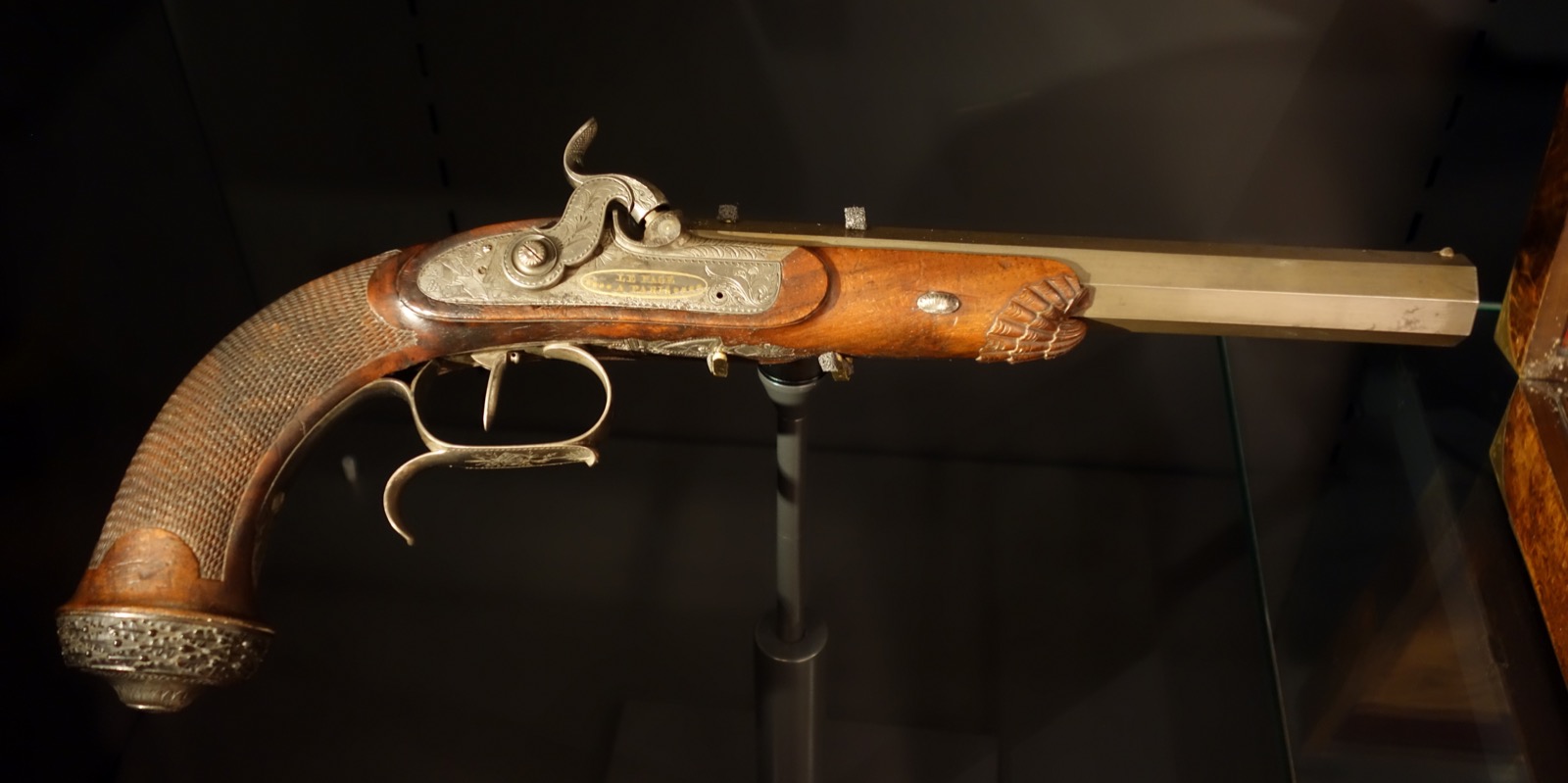
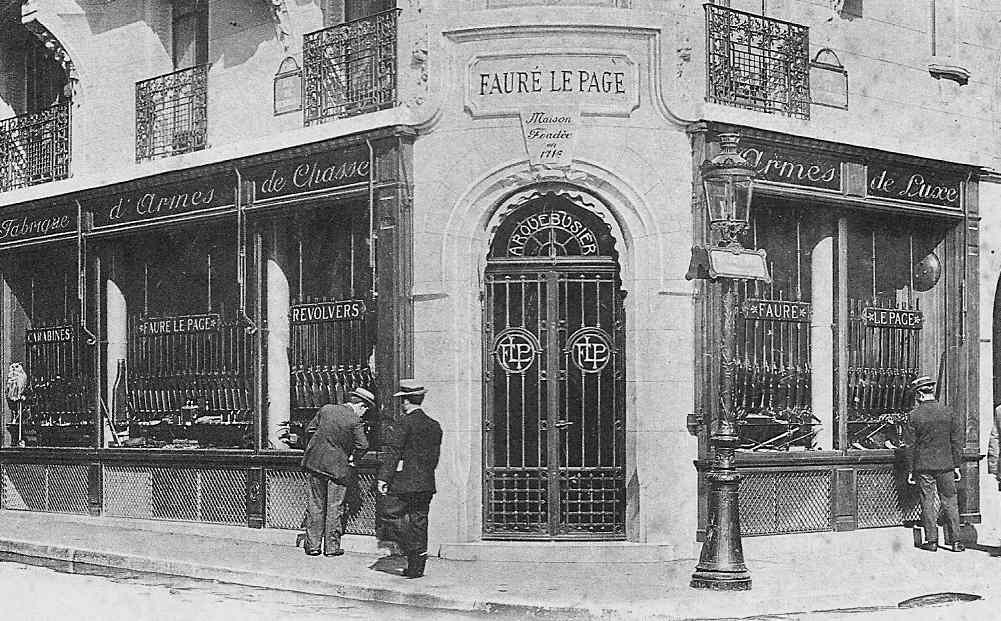
There really was a Fauré Le Page. A Paris gunsmith, opened in the early 1700s, whose customers included Louis XVI, Louis XVIII and Napoleon. The Duke of Wellington owned a pair of its duelling pistols. Balzac drops the name in La Peau de chagrin in 1831: “Sir, I have been received as a marksman at Le Page in Paris.” Nobody is disputing any of that.
What the house did next is the problem. It changed hands, shrank, stopped. Goyard's filings say it had ceased operating by the 1990s. In 2009 a new company took the name, opened a boutique near Place Vendôme, and in 2011 registered “Paris 1717” as a trademark for trunks, handbags and travel bags. Goyard sued in 2012. Fourteen years later, that is the verdict.
In March the EU's top court had already set the test: a year on a label can deceive if people read it as the founding date and hear “long-standing know-how.” Not automatically. The French court had to read each mark as a whole, “Paris” included. It did.
The winner is a nice choice of plaintiff, though. Goyard calls itself France's oldest leather-goods house, and its own timeline is a relay: Maison Martin, then Maison Morel, then in 1853 the name of a former Morel apprentice, François Goyard, goes over the door. The predecessors reach back to 1792. Everyone in this story is selling a date.
The loser's own About page, for the record, now calls the label “Heritage-Inspired Luxury Leather Goods.” “Inspired” is carrying a lot.