Not a Page 3 Girl
Tomb Raider is 30. The man who drew Lara Croft walked out a year in, leaving behind one per cent of the profits and a character he didn't like seeing sold.
Tomb Raider turned 30 this week. The first game came out on the Sega Saturn in Europe on October 24, 1996, then on PlayStation and PC in November, and went on to sell more than seven million copies. For the birthday, Crystal Dynamics put out a teaser for Legacy of Atlantis, a ground-up remake of that first game, published by Amazon and due February 12.
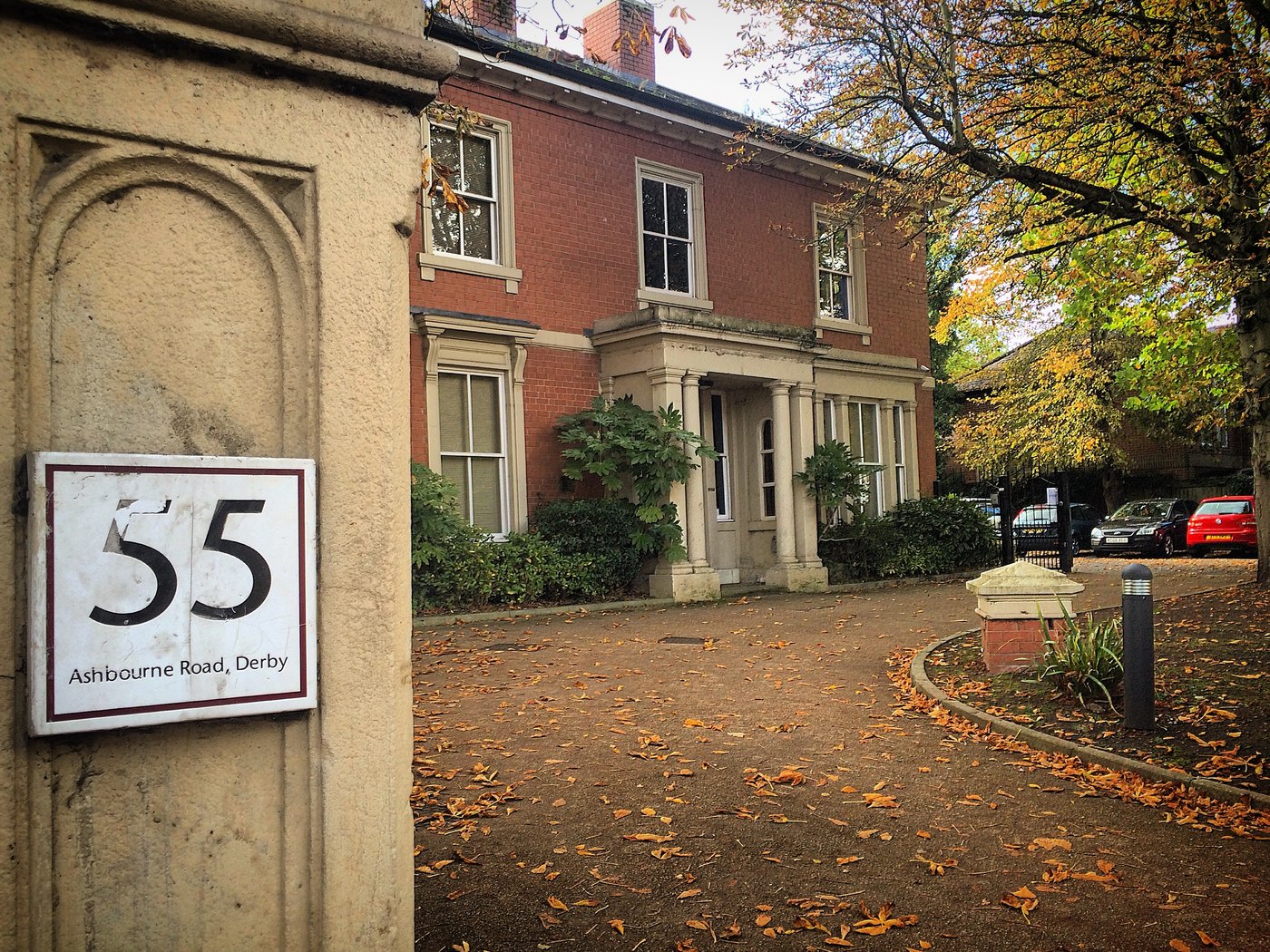
Lara Croft was drawn by Toby Gard, who joined Core Design in Derby in 1994. His first concept had a man in the lead, and the man looked so much like Indiana Jones that Core's boss, Jeremy Heath-Smith, asked for a change for legal reasons. Gard drew a woman instead and called her Laura Cruz. Eidos's executives in the US didn't like the name, so she became Lara Croft. Six people made the game in eighteen months, for about £440,000 (Wikipedia).
Core wanted to sell her sex appeal, and asked Gard to put a nude cheat code in the game. He refused. "It was never the intention to create some kind of 'page 3' girl to star in Tomb Raider," he told Gamasutra in 1998, page 3 being where the Sun ran its topless models. "The idea was to create a female character who was a heroine, you know, cool, collected, in control, that sort of thing."
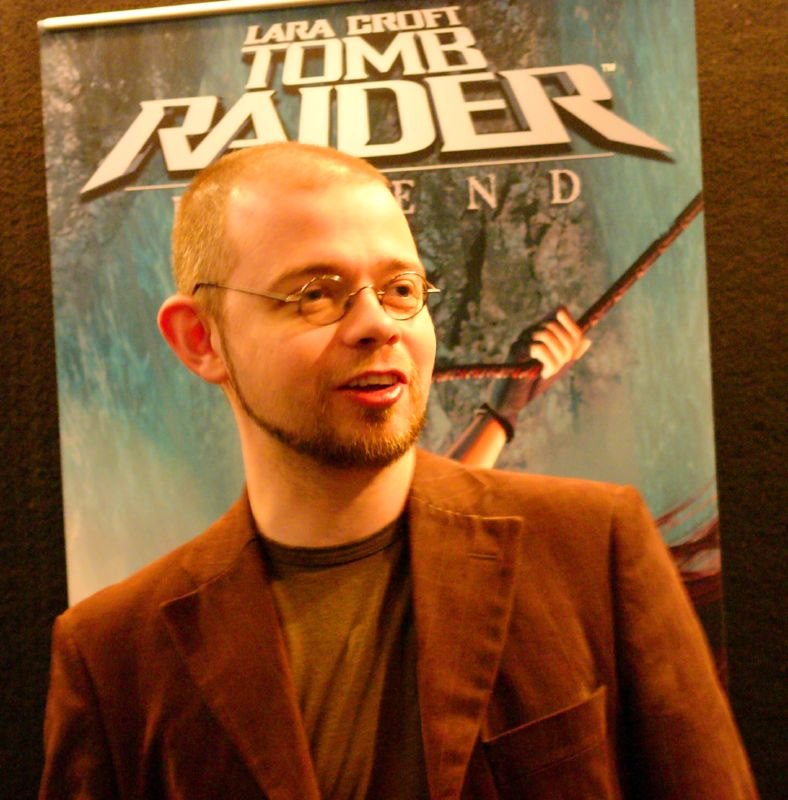
In 1997 he left with Paul Douglas, another Tomb Raider original, to start their own studio. According to his local paper in Essex, the Gazette, he walked out shortly after his first royalty cheque, £50,000, on a deal that gave him one per cent of everything Tomb Raider made. That one per cent could have come to as much as £6 million. "I could have taken the safe option and decided to stay where I was and I would have made a lot of money," he said. "Basically the character of Lara Croft belonged to Core and I wanted to do stuff for myself." Their game, Galleon, came out seven years later, on the Xbox.
By 2005 he was back, hired by Eidos to help Crystal Dynamics restart the series: he redesigned Lara for Legend and worked on the story of Anniversary, the 2007 remake of the game he'd made in the first place. Core had lost Tomb Raider to Crystal Dynamics in 2003. Eidos sold the studio to Rebellion in 2006 and kept Lara. Rebellion Derby closed on March 17, 2010, when the lease on its offices ran out.
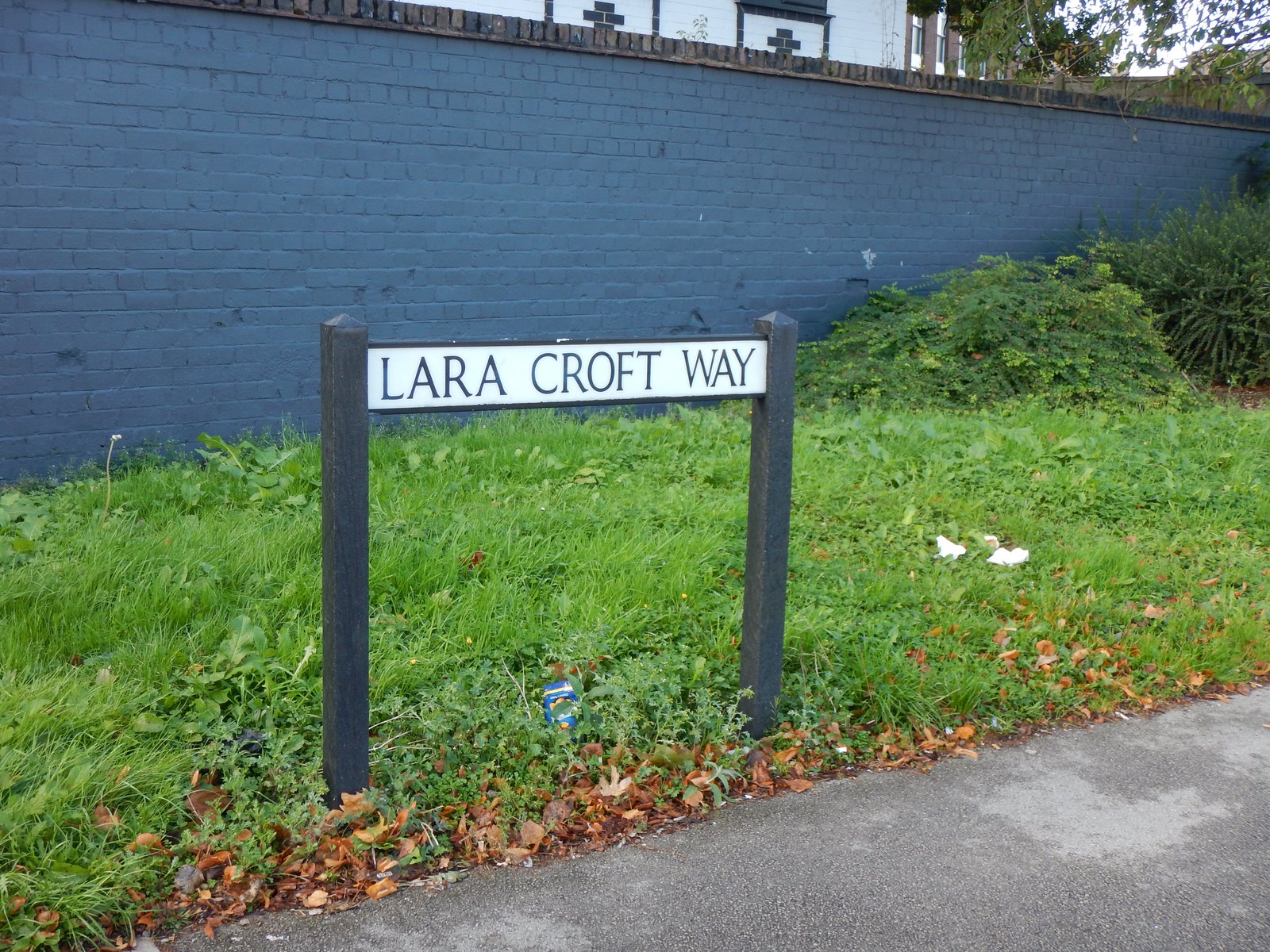
Three weeks before that, Derby had put the names for a new £36 million ring road to an online vote. Almost 90 per cent of 27,000 people picked Lara Croft Way.