Too Historic to Demolish
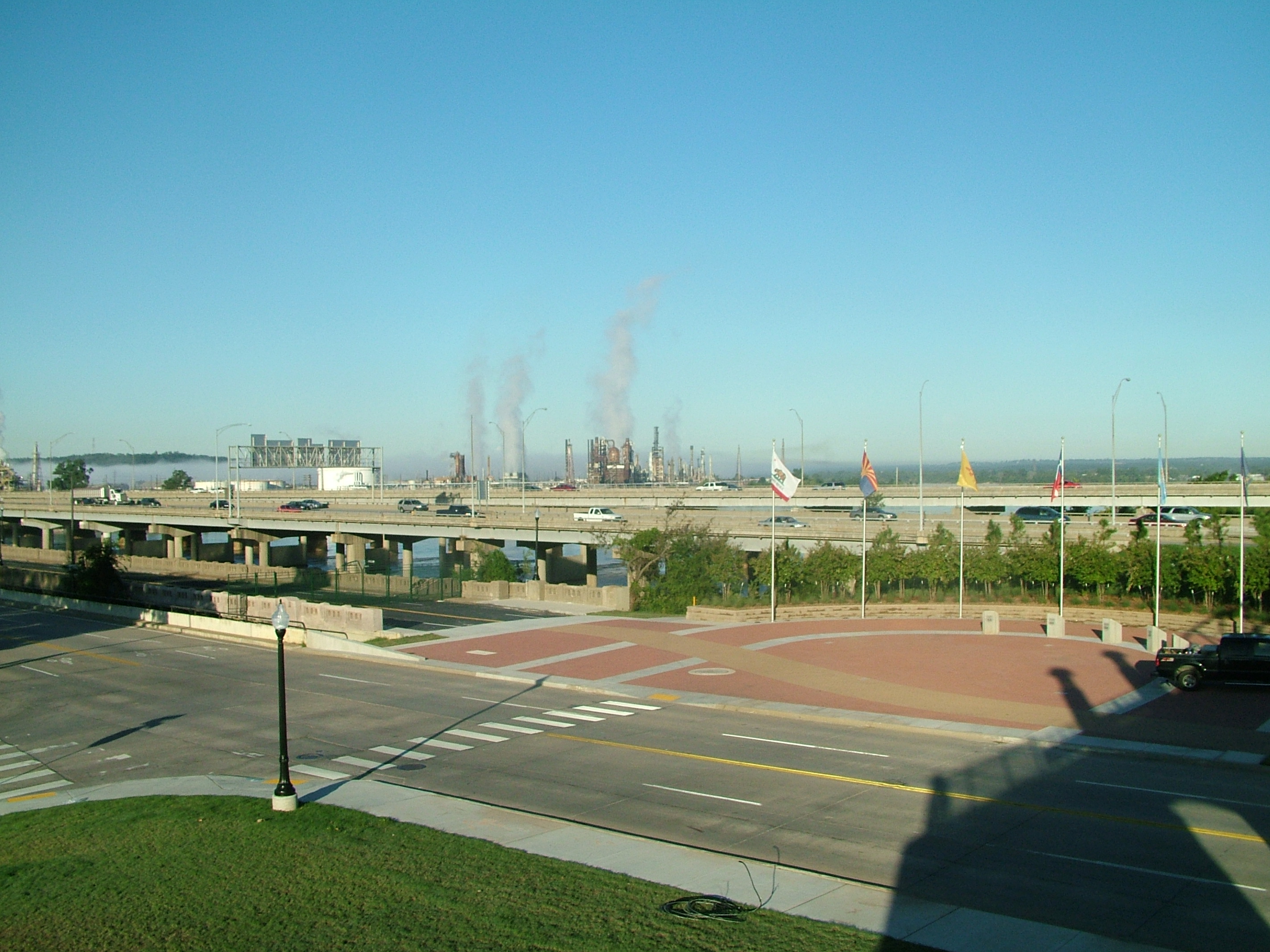
Cyrus Avery talked Route 66 into existence using this exact bridge. On the road's 100th birthday, the bridge is still padlocked shut.
Route 66 turns 100 this year — commissioned November 11, 1926 — and this week the centennial calendar is running full speed: drag races staged along old stretches of the highway through Illinois and Missouri, a speaker series in Albuquerque on the road's modern photography, commemorative coins stamped with the old black-and-white shield. All of it built around the idea that the road itself is the artifact worth celebrating. A few blocks off the route in Tulsa, the specific bridge that actually got Route 66 built there is locked behind a gate nobody's opening for the anniversary.
The bridge crossed the Arkansas River, finished in December 1915: steel-reinforced concrete, eighteen arches, the first bridge in the region built specifically to carry automobiles. Cyrus Avery, the Tulsa county commissioner who'd pushed the bridge through in the first place, landed a seat a decade later on the federal Joint Board of Interstate Highways — the five-man committee mapping America's new national highway system. When it came time to route a road from Chicago to Los Angeles, Avery fought off a more direct alignment through Kansas and steered the whole thing through Oklahoma instead, using his own bridge as the closing argument. It worked so well that historians still call it the actual reason Route 66 runs through Tulsa at all, not geography. One commissioner's bridge.
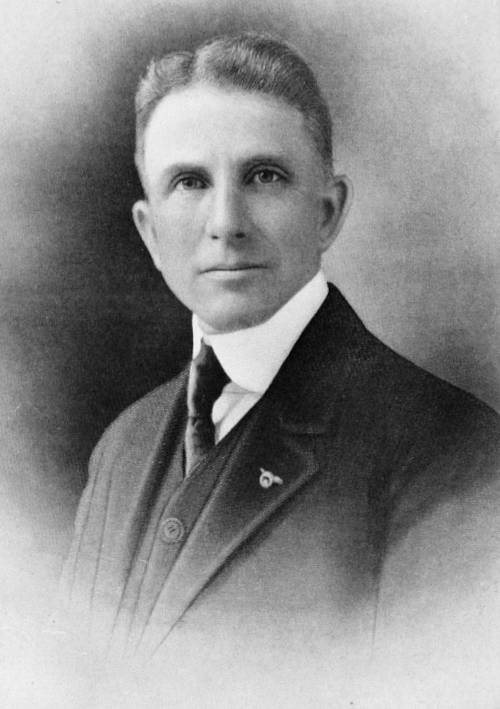
Avery even lost the fight over the road's own number — he wanted 60, but Kentucky's governor wanted that digit for his own east-west highway, so Avery's road got renumbered 66 instead. For four decades after that, his bridge carried the road he'd built it for: Dust Bowl families, then the postwar road-trip boom, the TV show, the song. Then in 1967 Tulsa opened new interstate crossings a few blocks downstream, wider and faster, running straight past downtown instead of through it. Traffic on Avery's bridge disappeared almost overnight. By 1980 it was closed to cars for good.
Tulsa renamed it the Cyrus Avery Route 66 Memorial Bridge in 2004, meaning to finally give him proper credit. Four years later the city locked the gates to foot traffic too — the deck had rotted past safe use. It's been sealed ever since. Tulsa World's own retrospective on the bridge sums up what the city's supposed to do with it in six words: too expensive to repair, too historic to demolish.
So it sits there, padlocked, a couple miles from wherever this week's centennial banner is hanging. The road Cyrus Avery talked into existence using this exact bridge turns 100 this year. The bridge doesn't get an anniversary.