The Oldest One Left
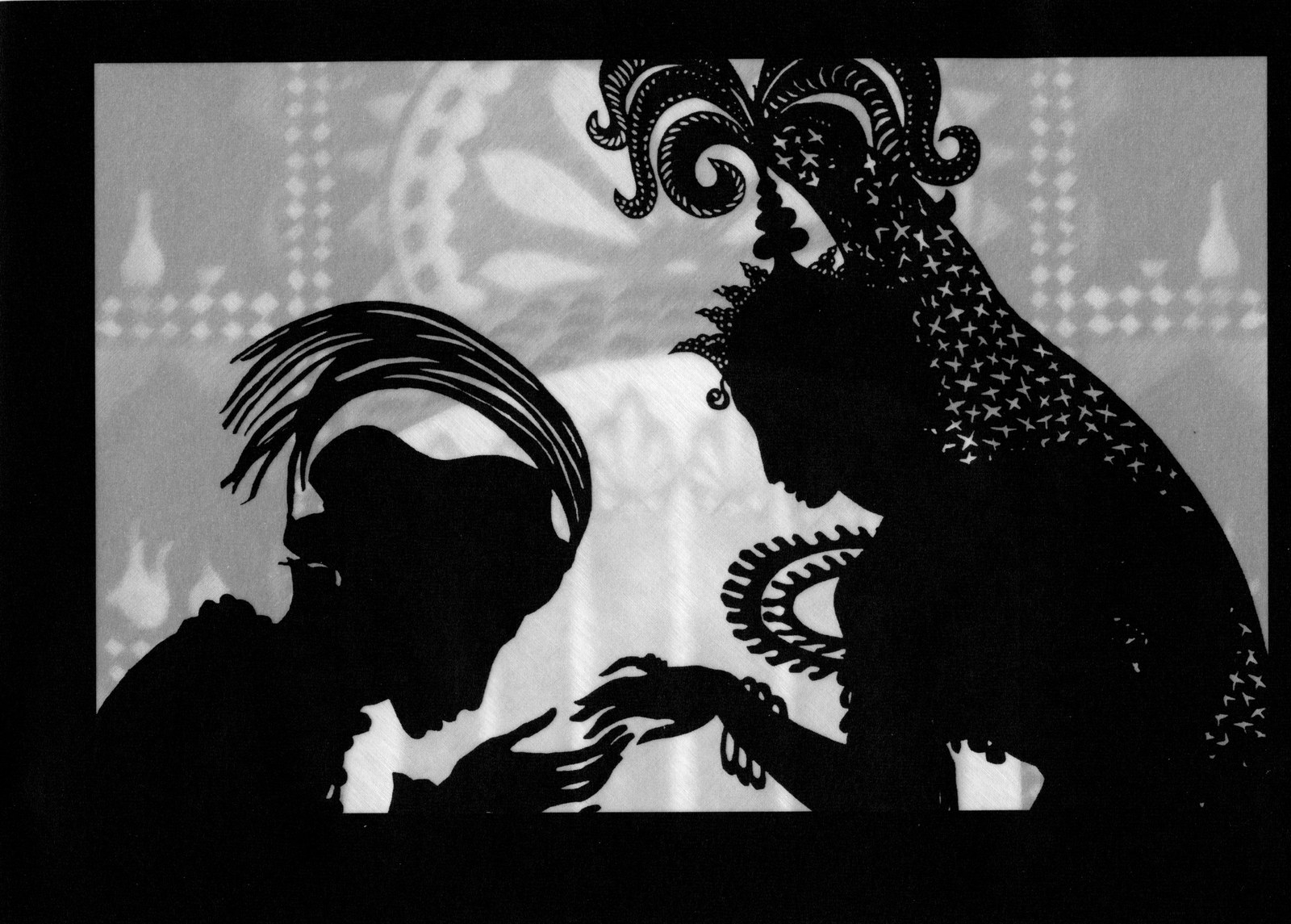
A hundred years after it opened, the oldest surviving animated feature plays in Queens with a live score. The first one ever made was Argentine, and a fire took it.
This Saturday at the Museum of the Moving Image in Queens, The Adventures of Prince Achmed plays with a live score, a hundred years after it opened in Berlin. There is a lecture first, from Whitney Grace, who wrote the book on its director. It is the oldest animated feature film in the world. The sentence needs its last three words: that we still have.
Lotte Reiniger made it between 1923 and 1926 out of cardboard and thin sheets of lead, cut into silhouettes and moved by hand under a camera, one frame at a time. A Berlin banker named Louis Hagen paid for it and gave her the attic of the garage in his vegetable garden as a studio. Her husband Carl Koch worked on it, and so did a handful of avant-garde animators, Walter Ruttmann and Berthold Bartosch among them. The composer Wolfgang Zeller wrote the score while the film was being animated, and Reiniger prepared photograms so an orchestra could follow along.

Snow White came eleven years later and is still the usual answer to “what was the first animated feature?” The answer is wrong, and Reiniger’s film is only the right one with a qualifier attached. The qualifier is in Buenos Aires.
On November 9, 1917, the Cine Select-Suipacha opened El Apóstol: seventy minutes, some 58,000 frames, cut-out paper animation by an Italian-born cartoonist named Quirino Cristiani, produced by Federico Valle. Cristiani lit it with arc lamps he built himself. It was a political satire about President Hipólito Yrigoyen, who decides to cleanse the city of corruption by hurling Jupiter’s lightning at it, and Buenos Aires burns. It was a hit. It ran for about six months and was then pulled after the city council objected to the politics.
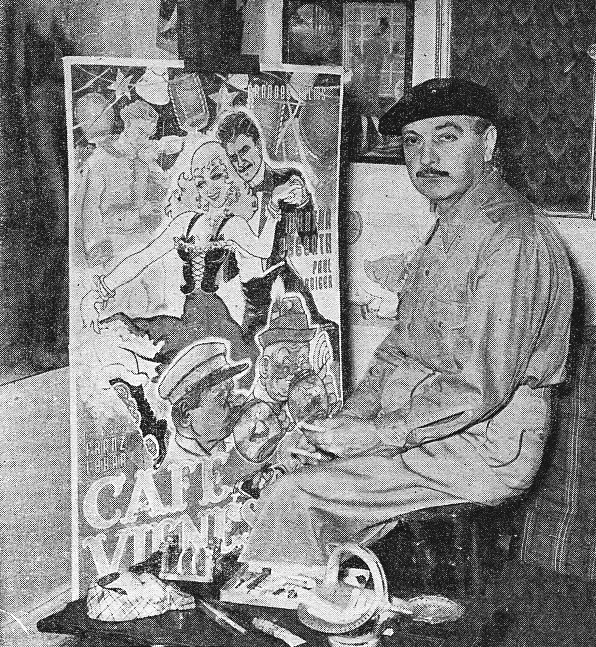

In 1926, the year Reiniger’s film opened, a fire destroyed Valle’s studio, and with it the only known print of El Apóstol. His second feature, Sin dejar rastros, which means “without leaving a trace,” is lost as well. Cristiani kept animating until he retired in 1941. Nobody is screening El Apóstol this weekend, because there is nothing to screen.