Egypt Said No
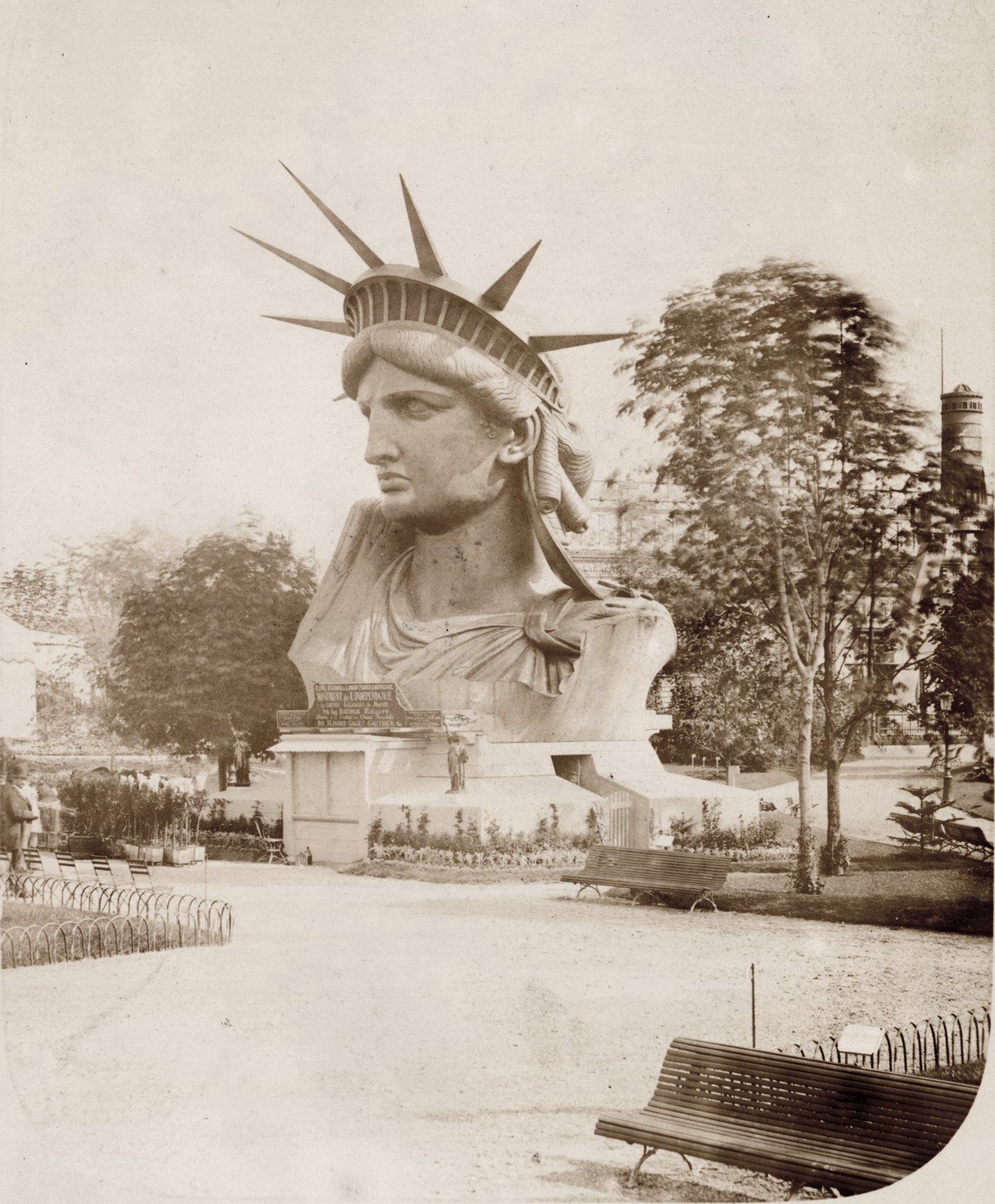
The Statue of Liberty is 140. She started as a lighthouse for the Suez Canal that nobody wanted, and Belgrano says it got her first.
The Statue of Liberty turned 140 yesterday. She was dedicated on the afternoon of October 28, 1886, with Grover Cleveland presiding, and right now the Eiffel Tower has a show on its first floor about the iron frame Gustave Eiffel built inside her (Lady Liberty, derrière l'icône, until November 12).
Before she was Liberty, she was a pitch to Egypt. In the late 1860s Frédéric Auguste Bartholdi took Isma'il Pasha, the Khedive of Egypt, a plan for a huge lighthouse at Port Said, where the new Suez Canal met the sea: an Egyptian peasant woman, a fellah, robed, holding a torch up. It was going to be called Egypt Carrying the Light to Asia. The khedive and Ferdinand de Lesseps, the canal's builder, said no. Too expensive. Port Said got a normal lighthouse in 1869, and Bartholdi kept the torch (Wikipedia).
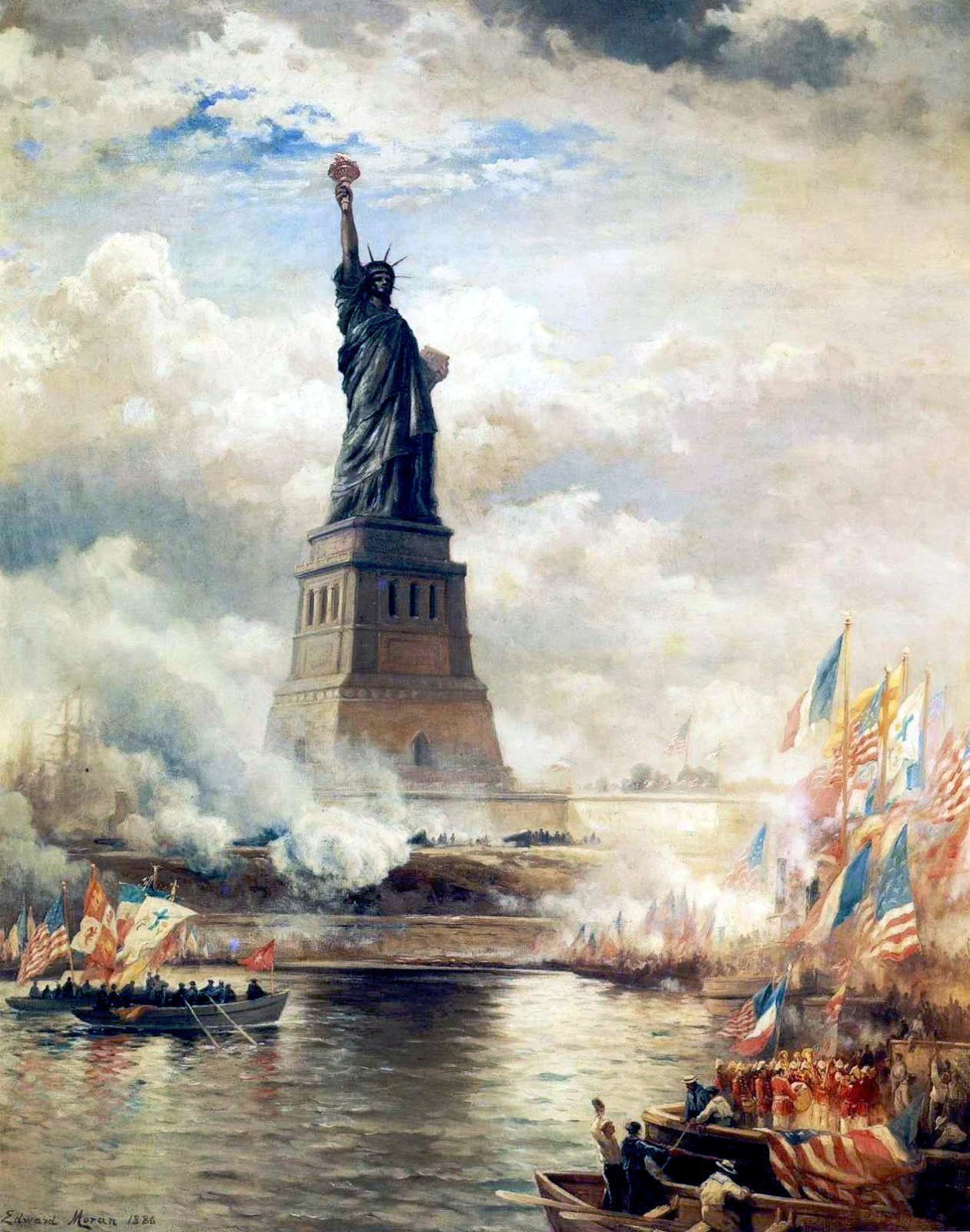
In New York she finally got to be a lighthouse, and she wasn't any good at it. When the torch was lit for the dedication, the World said it looked "more like a glowworm than a beacon." The Lighthouse Board ran her from November 1886, got about 24 miles of visibility, and switched her off as an aid to navigation on March 1, 1902 (Lighthouse Friends). She had, in Wikipedia's words, "proven useless as a lighthouse."
The dedication was for dignitaries only. The only two women allowed on the island were Bartholdi's wife and de Lesseps's granddaughter; officials said women might get hurt in the crowd. Local suffragists chartered a boat and got as close as they could to a 46-metre woman called Liberty.
The meaning she's known for came later too. Emma Lazarus wrote "The New Colossus" in 1883 for an auction to pay for the pedestal, after first saying she couldn't write a poem about a statue. It went up on a plaque in 1903, sixteen years after she died. The broken chain under Liberty's feet, for the end of slavery, is still there. You just can't see it from the ground.
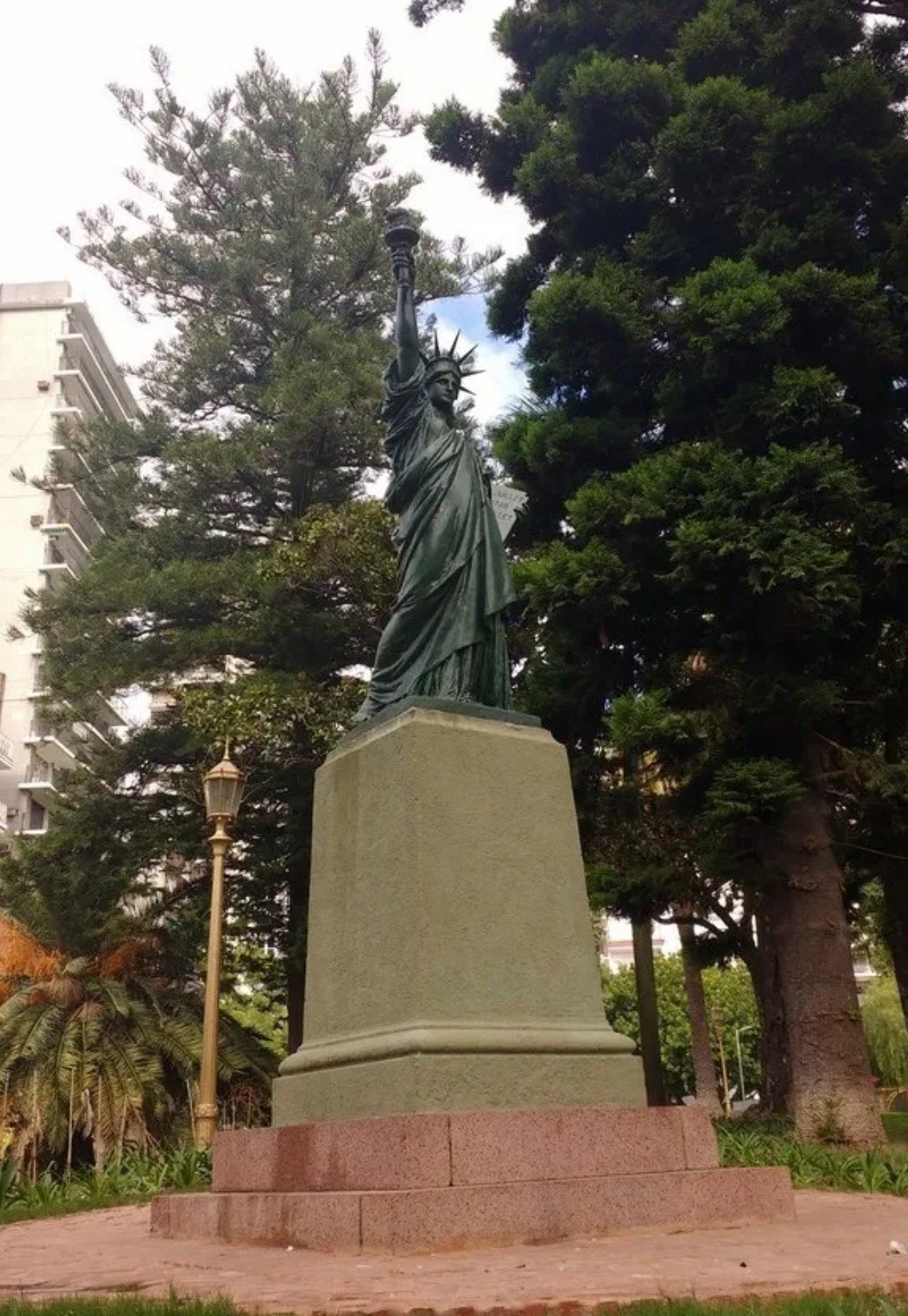
There's a three-metre one in Barrancas de Belgrano. Cast iron, cast in France, Val d'Osne – 8 Rue Voltaire, Paris on the base. The neighbourhood story is that it was unveiled on October 3, 1886, twenty-five days before New York's. Another version says 1875. Nobody has found the paperwork for either (Billiken). Both dates are earlier.