Minus the Bomb
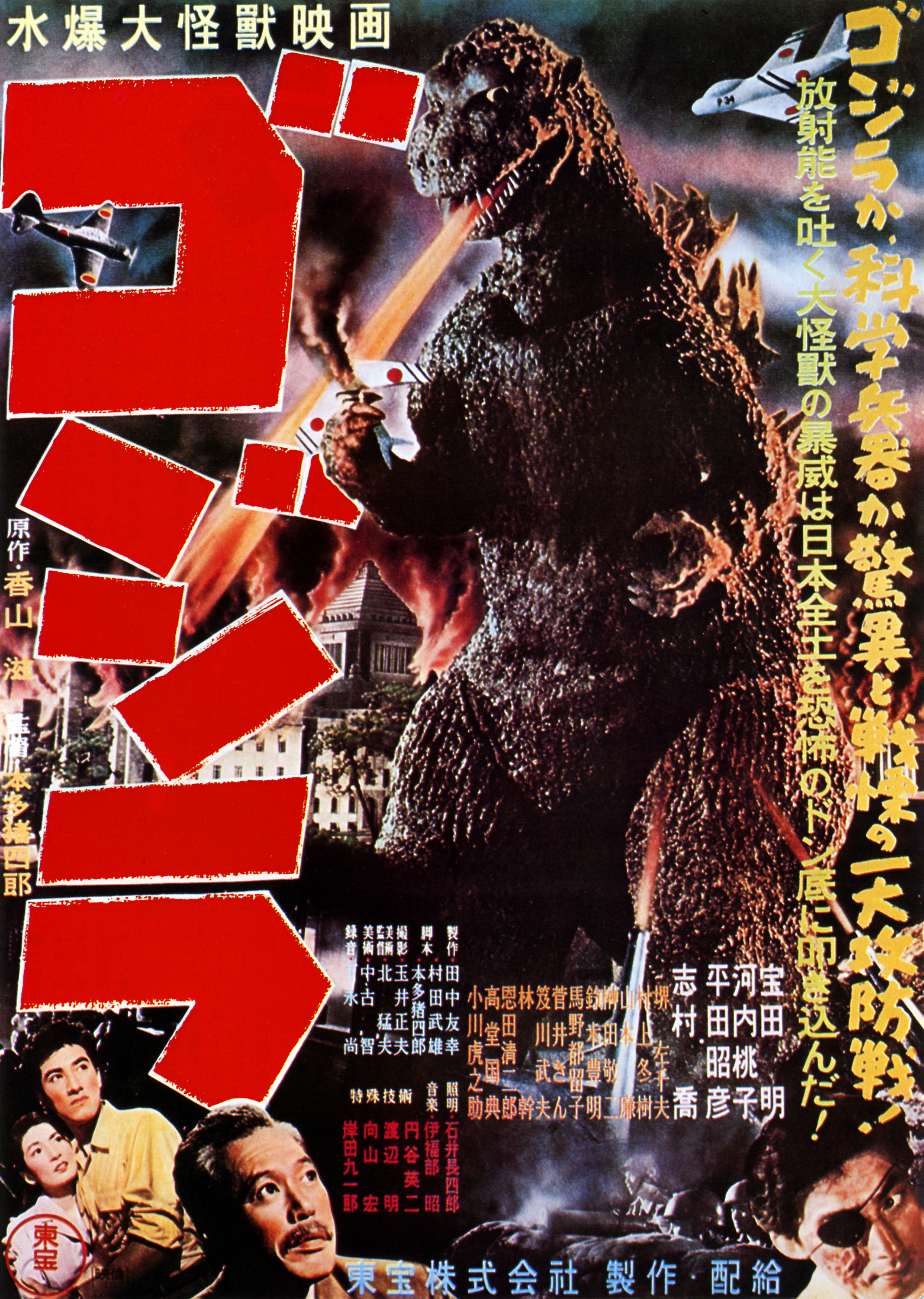
Godzilla turns 72 today and Godzilla Minus Zero opens in Japan. The first time America got him, it paid $25,000 and cut out the bomb.
Godzilla Minus Zero opens in Japan today. The date isn't an accident: November 3 is Godzilla's birthday, the day the first film went into wide release in 1954. Takashi Yamazaki's last one, Minus One, opened on the same date in 2023 and became the first Godzilla film ever nominated for an Oscar, then won it, for visual effects. In the US the new one opens Friday, with IMAX early screenings tonight.
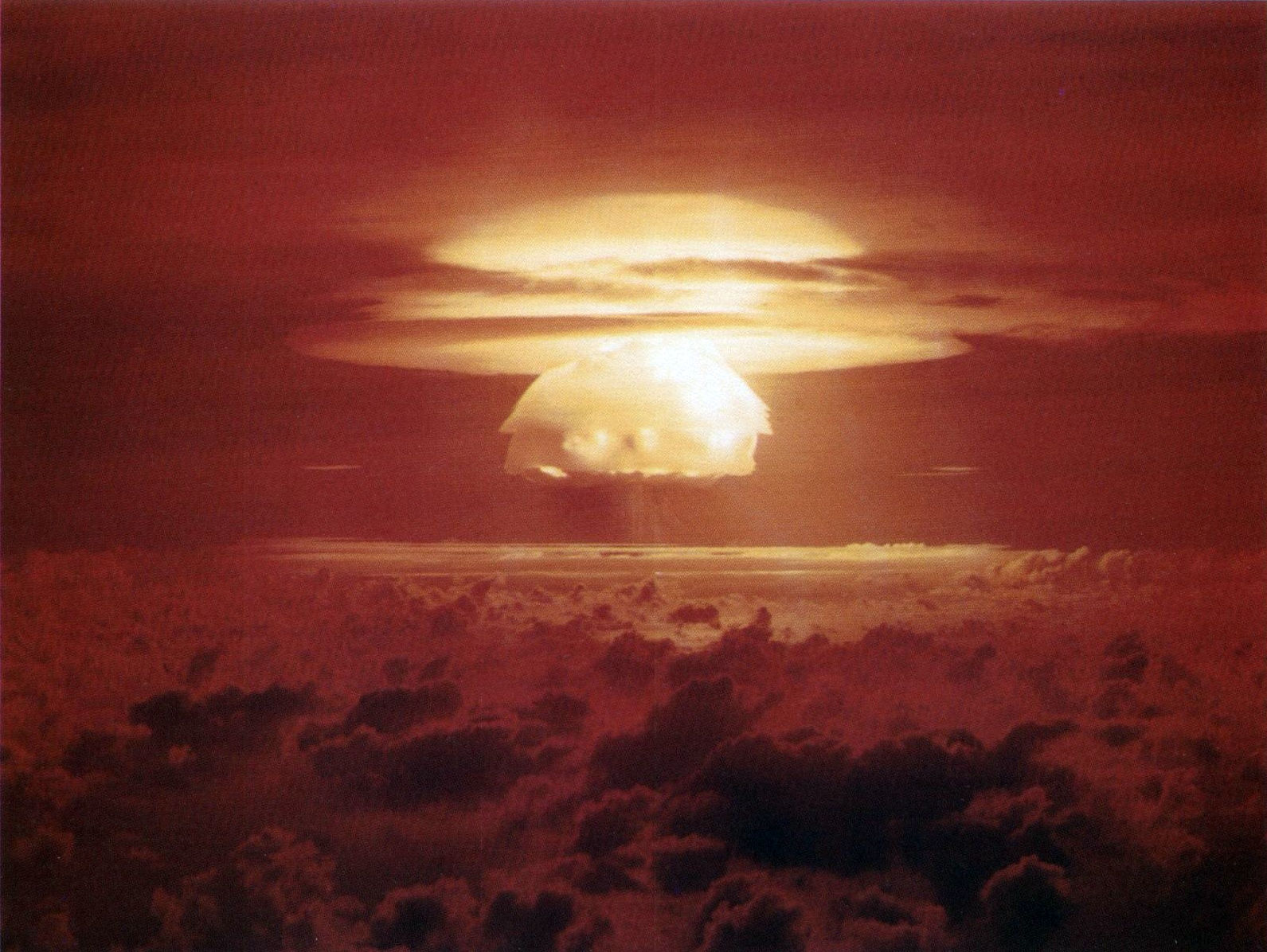
The birthday goes back to a boat. On March 1, 1954, the United States set off Castle Bravo, a 15-megaton hydrogen bomb, at Bikini Atoll. A Japanese tuna boat with 23 men on board, the Daigo Fukuryū Maru, the Lucky Dragon No. 5, was close enough to be covered in its ash. They spent almost six hours hauling in their lines under it. Back in Japan the catch was radioactive, people stopped buying fish, and on September 23 the boat's radio operator, Aikichi Kuboyama, died of radiation sickness. The Toho producer Tomoyuki Tanaka came up with a giant monster film on a flight home that spring. The opening scene, a Japanese ship wiped out at sea by a flash of light, is the Lucky Dragon. The top line of the poster says it plainly: suibaku daikaijū eiga, an H-bomb giant monster movie. "The theme of the film, from the beginning, was the terror of the bomb," Tanaka said.
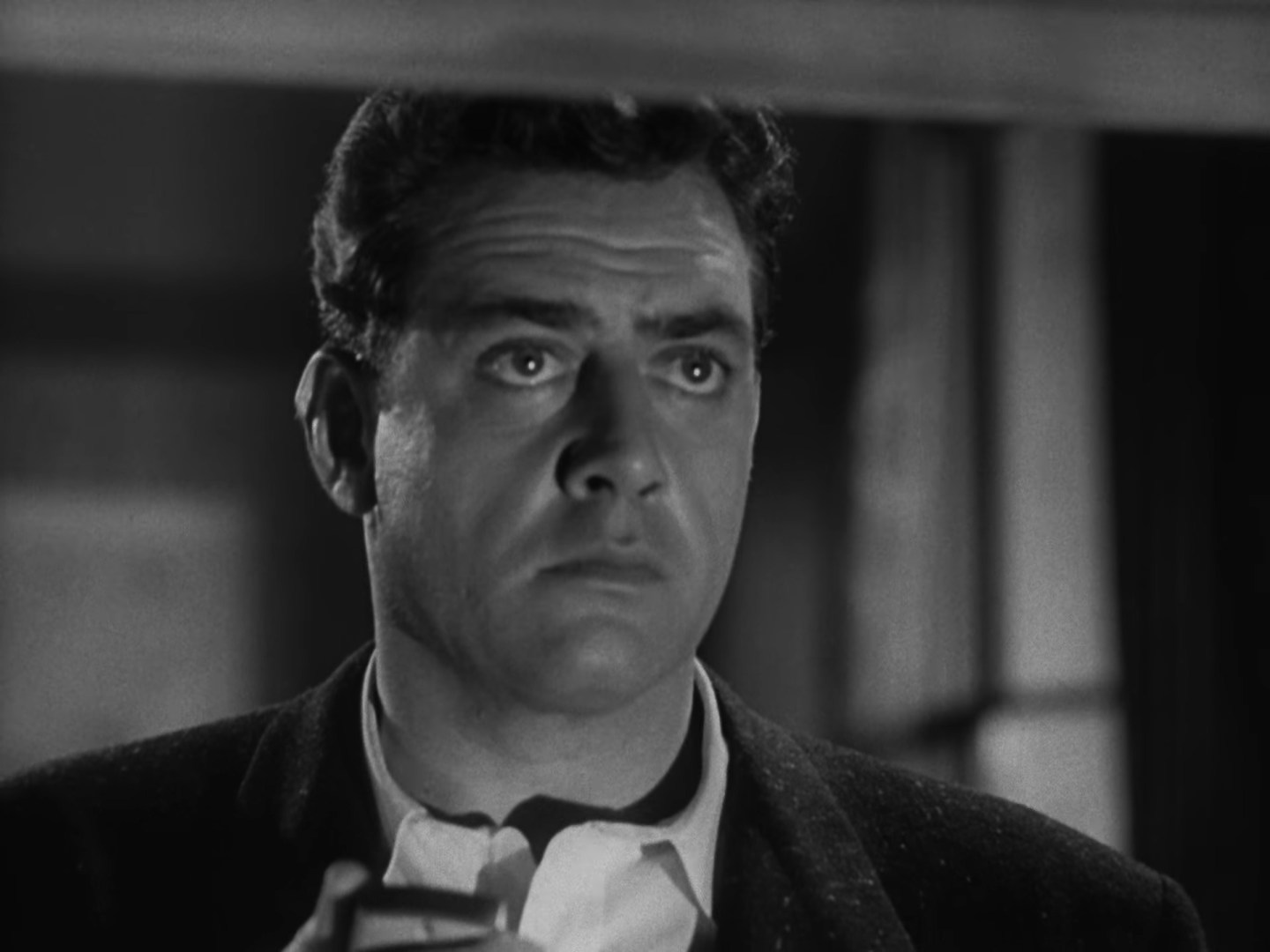
Then the film went to America. In September 1955 Toho sold the US rights for $25,000. The buyers hired the director Terry Morse and the actor Raymond Burr, $10,000 each, and shot new scenes on a rented soundstage in three days: Burr as an American reporter in Tokyo, talking to body doubles filmed from behind so you'd think he was in the original. His character's name was Steve Martin. What went out to make room: the bombing of Nagasaki, the Bikini tests, the radioactive tuna (Wikipedia). Godzilla, King of the Monsters! opened in April 1956 and made $2 million, more than the original had made in Japan.
That was the Godzilla the rest of the world met, and for half a century the one most critics outside Japan knew. The original wasn't officially released in the US until 2004, for its 50th anniversary, on a travelling tour by Rialto Pictures that never played on more than six screens at a time. Criterion now sells both cuts in the same box.
At home in 1954 the reviews were bad. Japanese critics said it exploited the war and the Lucky Dragon. "They called it grotesque junk," Ishirō Honda, the director, remembered. What changed their minds, he said, were the American reviews, which praised the film because it "frankly depicts the horrors of the Atomic Bomb." They'd seen the version without Nagasaki in it.