Four Bare Sticks
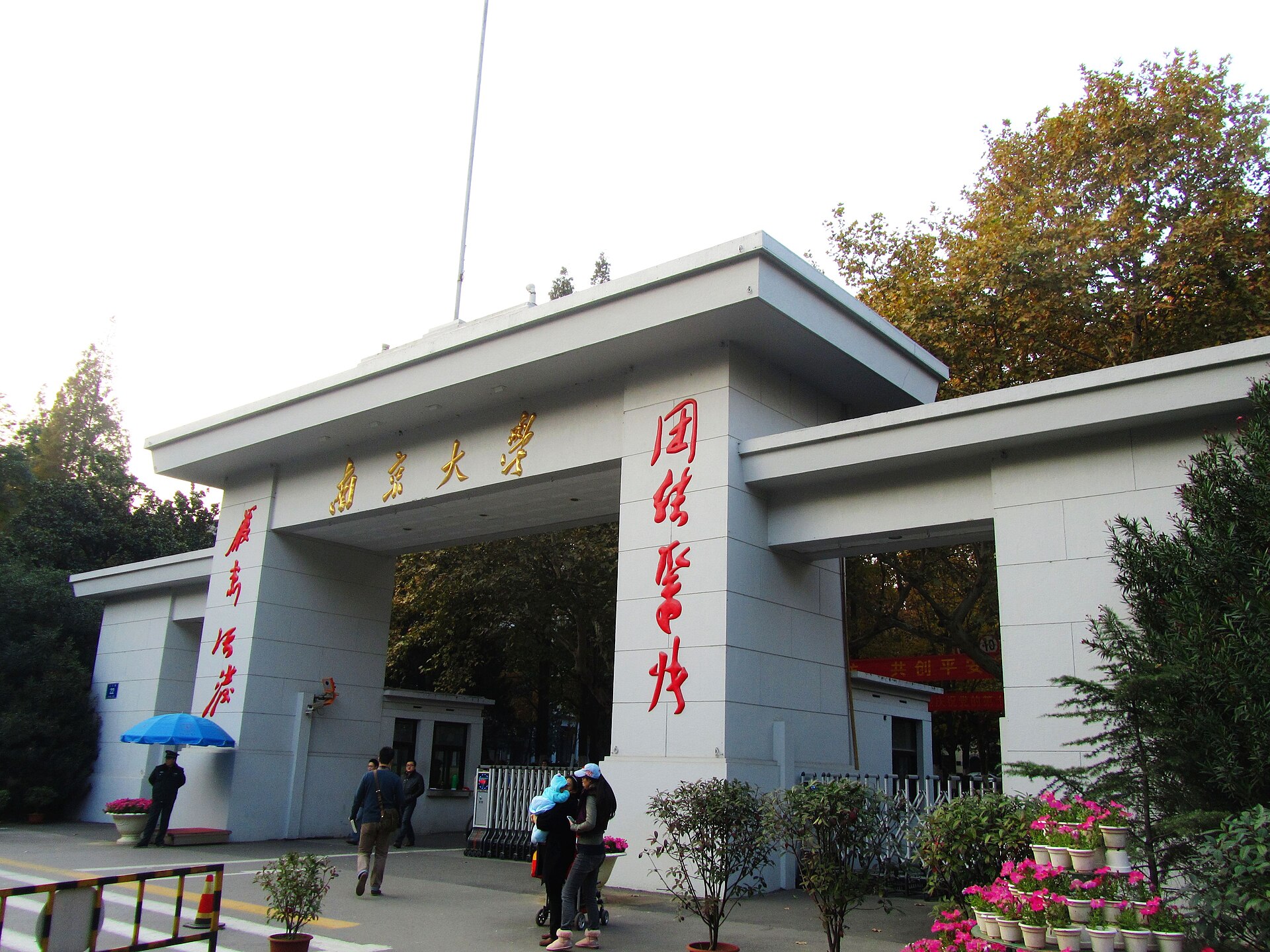
Tomorrow is 11.11, the biggest shopping day in the world. It started in 1993 as a joke about being single, in a college dorm in Nanjing.
Tomorrow is 11.11. In China, and by now in most online stores you've ever bought anything from, that means Singles' Day, the biggest shopping day in the world. It's several times the size of Black Friday and Cyber Monday put together. It started as a joke in a dorm.
The version usually told goes like this. Nanjing University, 1993: four male students in the same dorm, all single, talking about how to make that less boring. They picked November 11 for the ones. In Chinese slang a single man is a guanggun, a "bare stick," and 11/11 is four of them in a row. The idea went around the university, then the other universities in Nanjing, then out into the country. Mostly it meant parties and blind dates (Wikipedia has the history).
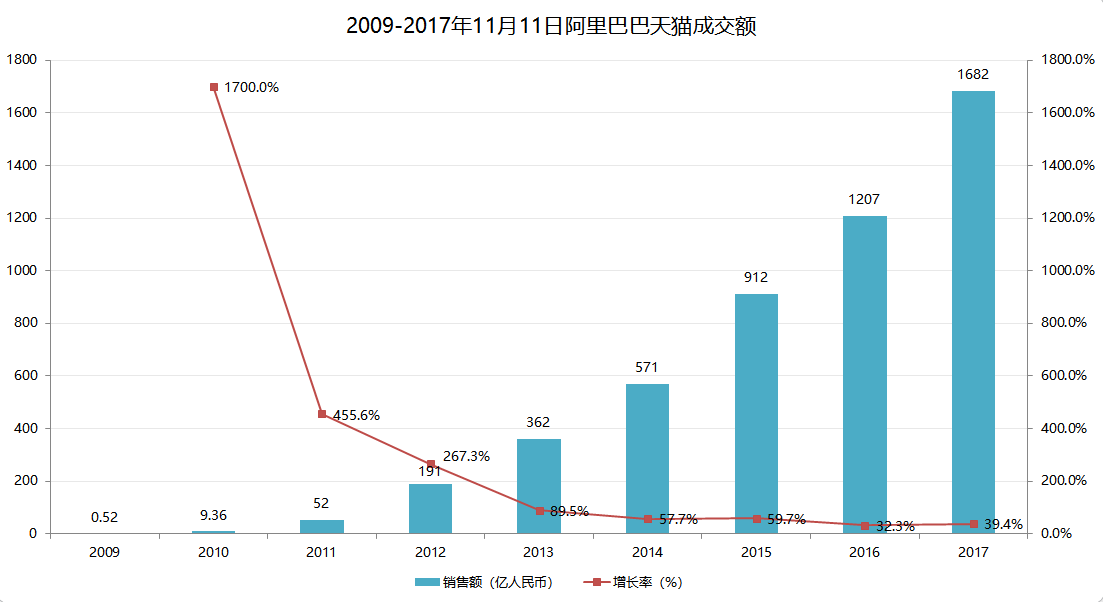
In 2009 Alibaba put a sale on it. Daniel Zhang, who ran its Taobao Mall and later became the company's CEO, signed up 27 merchants for one day of discounts. They sold about $7.5 million (Business of Fashion). The model was America's Black Friday. By 2013 the day did $5.8 billion on Alibaba's sites. By 2017, $25 billion.
On December 28, 2012, Alibaba registered "双十一," Double 11, as a trademark. In October 2014 its Tmall sent media outlets a letter: if they ran a rival's ad using the term, they'd be liable. JD.com, the biggest rival, published the letter and said it went against "the open spirit of the internet," then switched its ads to "1111." A few weeks later Alibaba's CEO, Jonathan Lu, explained that the day was "always an open festival that belongs to all participants" (Campaign Asia).
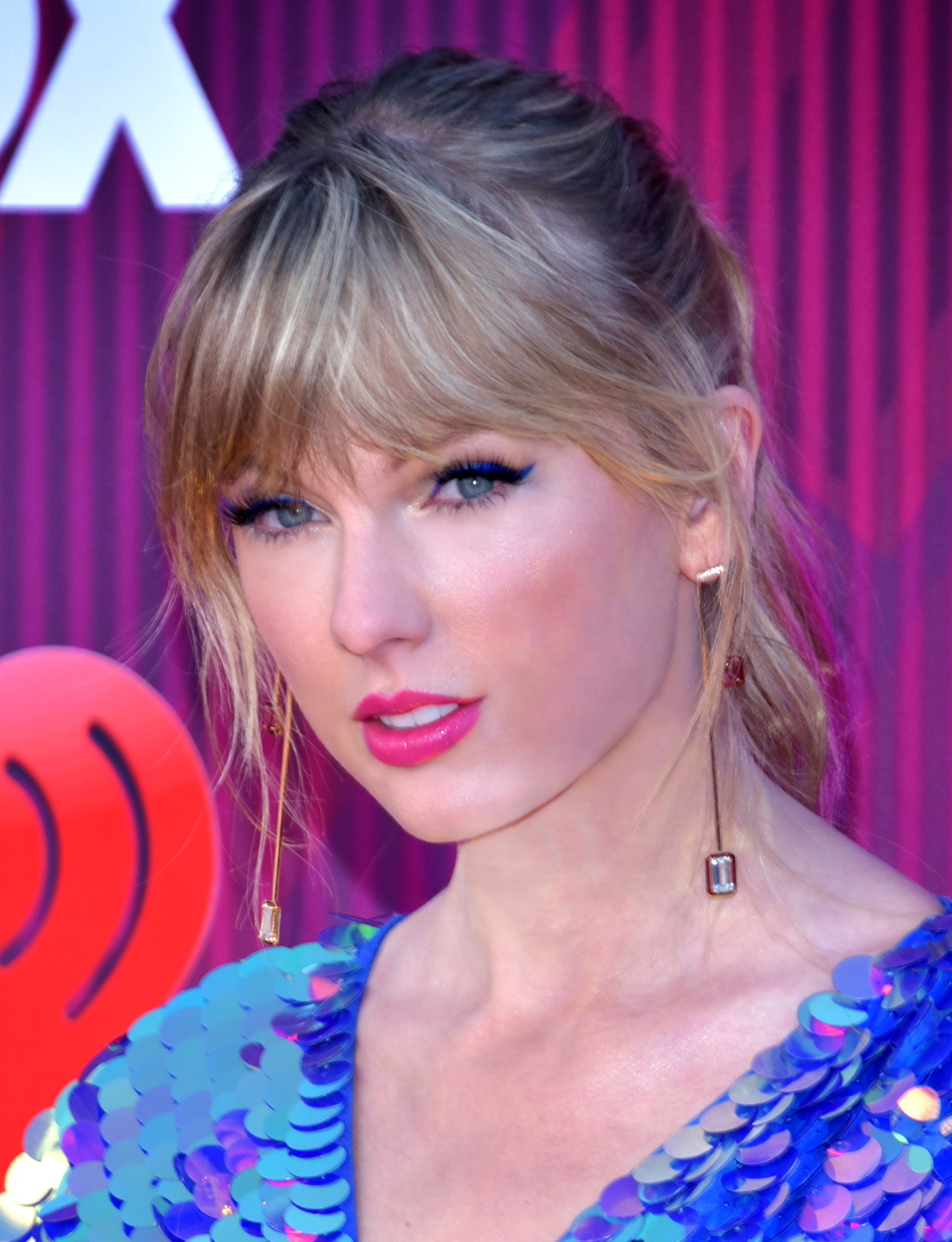
The night before, Alibaba throws a countdown gala on TV. Nicole Kidman did one. On November 10, 2019, Taylor Swift closed it at the Mercedes-Benz Arena in Shanghai with three songs from Lover (SCMP). Alibaba's total for that 11.11: $38.4 billion. In 2022, with the economy slowing, it stopped publishing the number.
As for the singles. On 11/11/11, a date with six ones on it, more than 4,000 couples got married in Beijing. A normal day there is about 700. Four bare sticks in a row, it turns out, also reads as two couples.