Catch the Wave
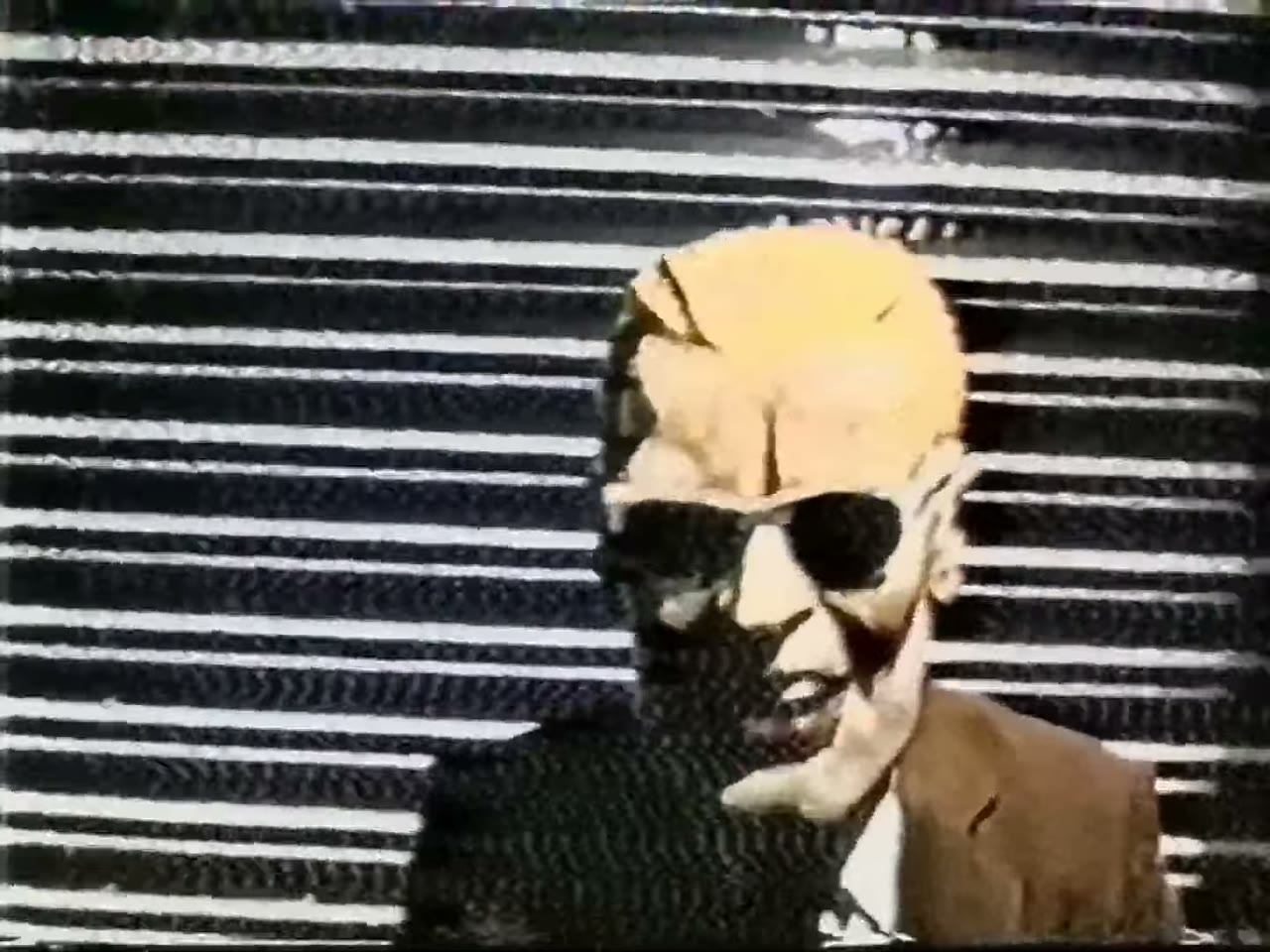
Thirty-nine years ago this Sunday, someone in a Max Headroom mask hijacked two Chicago TV stations in one night. The FCC never found them, and they've been free to say so since 1992.
On Sunday, November 22, 1987, at 9:14 p.m., WGN's sports anchor Dan Roan was running Chicago Bears highlights on The Nine O'Clock News when the picture went black. When it came back, it wasn't Roan. It was a man in a Max Headroom mask and sunglasses, rocking side to side in front of a swiveling sheet of corrugated metal, a homemade version of the spinning lines behind the real Max. There was no sound, only a buzz. After about half a minute an engineer changed the frequency of the link carrying the newscast to WGN's transmitter on top of the John Hancock Center, and Roan came back to apologize and pick up the Bears where he'd left off.
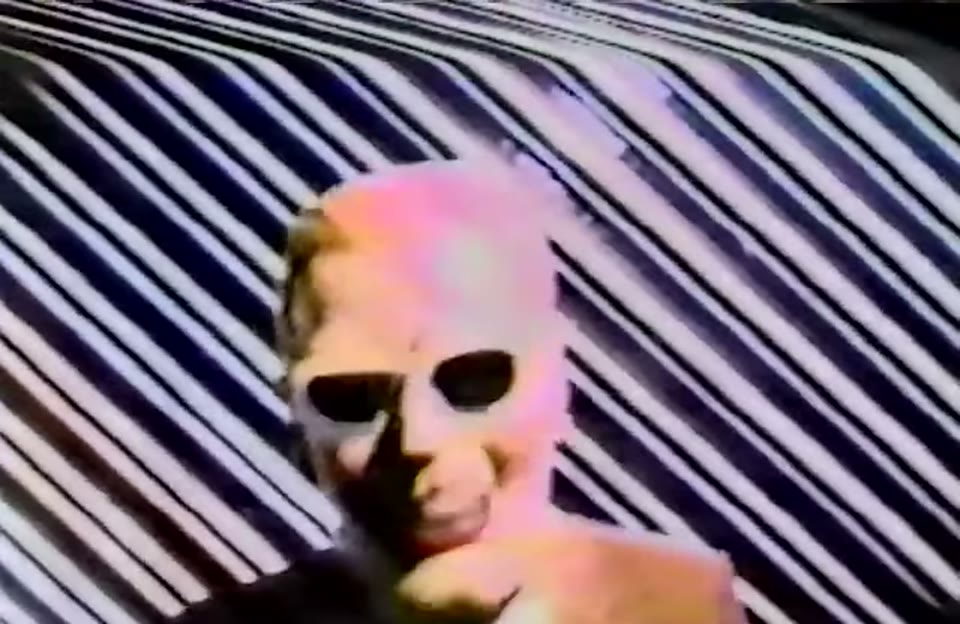
Two hours later he came back on a different station. WTTW, Chicago's PBS station, was showing a 1977 Doctor Who serial, Horror of Fang Rock. WTTW's transmitter was on the Sears Tower, and at that hour no engineers were on duty there. This time the pirate had sound, and for about 90 seconds he mumbled about "Chuck Swirsky" (a WGN sportscaster), said something about "nerds," and held up a can of Pepsi, which was a joke: the real Max Headroom was the face of New Coke, stuttering "C-c-catch the wave!" in Coca-Cola's ads. The Chicago Tribune's report the next morning described the finale as "Max" pulling down his pants "and getting paddled with a fly swatter." WTTW's spokesman, Anders Yocom, told the paper: "By the time our people began looking into what was going on, it was over."
"This guy had to have quite a rig," an engineer at another station told the Tribune: a microwave signal stronger than the stations' own, sent from somewhere with a line of sight to both towers. Robert Strutzel, WGN's director of engineering, wouldn't go into detail for fear of providing a "how to" guide. He didn't need to worry for long. When American TV went digital in 2009, the trick became almost impossible to repeat.
The joke had layers the pirate may not have been counting on. As we wrote in September, Max Headroom, "the first computer-generated TV presenter," was never a computer: he was the actor Matt Frewer in four and a half hours of latex. So the man on WTTW was a man in a mask, imitating a man in a mask who was pretending to be software. And in the 1985 Channel 4 film that introduced him, Max Headroom: 20 Minutes into the Future, Max ends up as the star host of Big Time, a pirate TV station.
The FCC opened an investigation. An FCC official told the Tribune the penalty was up to $10,000 and a year in prison. Nobody was charged, and the five-year statute of limitations ran out in 1992. Whoever did it has been free to say so for 34 years.
Nobody has.