The Nine-Million-Euro Corpse
Thieves cut a fence, timed a shift change, and stole four Renoirs from the house where he died. A century and a half earlier, a critic described that same body of work as literal rotting flesh.
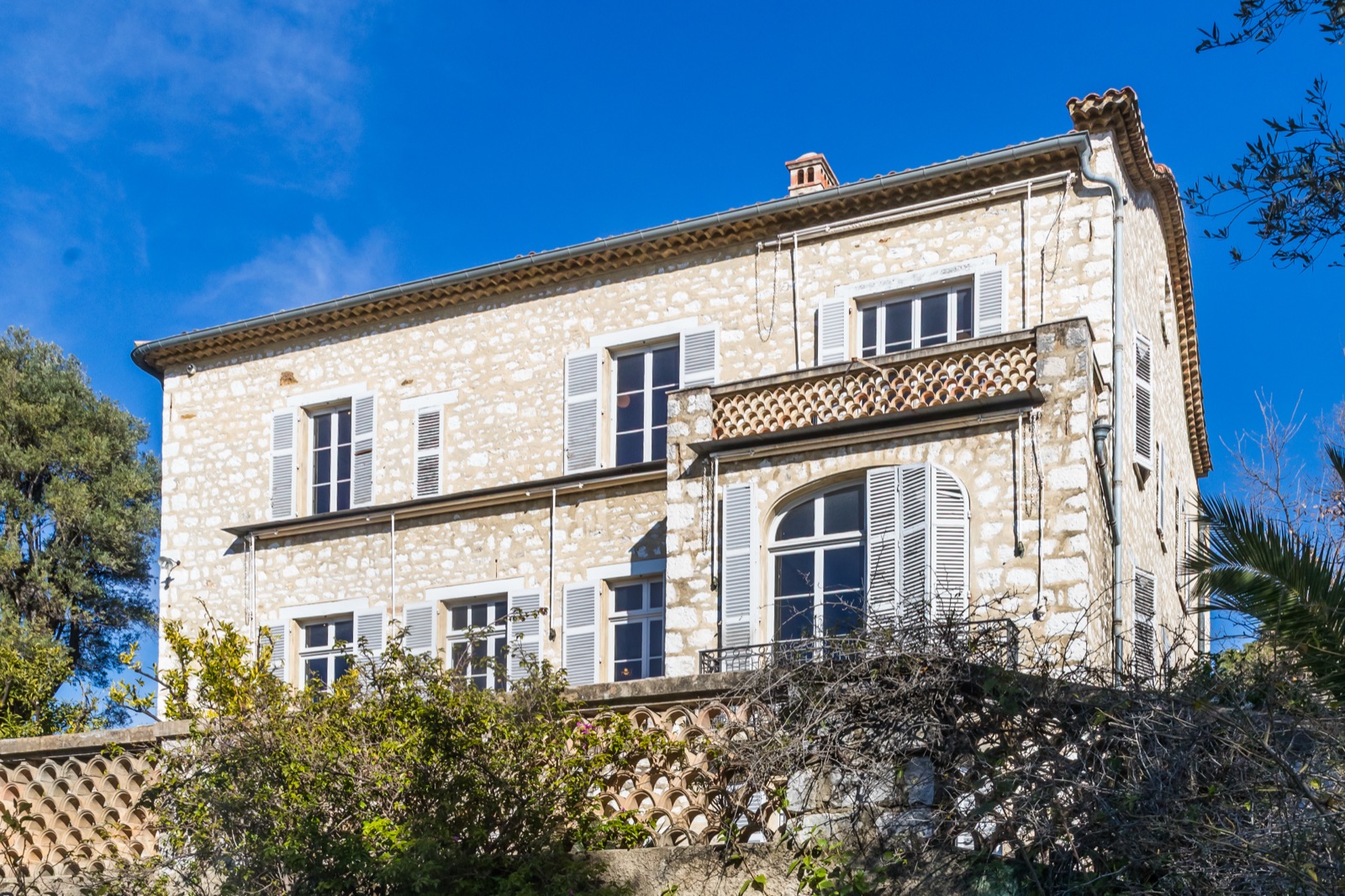
5:48 a.m., September 8th. Two people in helmets, gloves, and camouflage fatigues cut through the perimeter fence of the Musée Renoir in Cagnes-sur-Mer with an electric knife and a hacksaw, timed to land during a security shift change. Renoir built this house himself — Les Collettes, where he lived and painted for his last eleven years, wheelchair-bound, brush strapped to his hand — and the city turned it into a museum decades ago. The thieves cut the clips holding four paintings to the wall: Portrait of Madame Stephen Pichon, Coco lisant, Portrait of Madame Colonna Romano, Jeune Femme au puits. The alarm went off. Police arrived five minutes later. By then the job was already done — two of the four got dropped in the garden mid-escape and were recovered on the spot. Mayor Bryan Masson put the value of what didn't come back at roughly €9 million.
Rewind a hundred and fifty years, almost to the month. April 1876, the Second Impressionist Exhibition, a Paris apartment on Rue Le Peletier. Renoir hung a nude study called Torse, effet de soleil — a woman's back and torso dappled in leaf-shadow, the paint doing something nobody had really tried before with skin in direct sun. Le Figaro's critic Albert Wolff reviewed it like a public-health notice: "Would someone kindly explain to M. Renoir that a woman's torso is not a mass of decomposing flesh with the green and purplish blotches that indicate a state of complete putrefaction in a corpse." It landed hard enough that Berthe Morisot's husband, Eugène Manet, seriously considered challenging Wolff to a duel over it — a painting insulted so completely that a man weighed killing the critic who wrote the insult.

Nobody sends two men through a fence at 5 a.m., in camouflage, on a shift-change timer, for a mass of decomposing flesh. Whatever Wolff saw in 1876, the market has since decided is worth nine million euros and an actual professional job to take off a wall — the same green-and-purple brushwork, the same body of work, just priced a century and a half later by people willing to plan around a security rotation instead of write a newspaper column. If a corpse-colored torso still bothers you, Muzéo sells a framed print of it, no fence-cutting required.
Portrait of Madame Colonna Romano and Jeune Femme au puits are still missing.