Honest Intentions
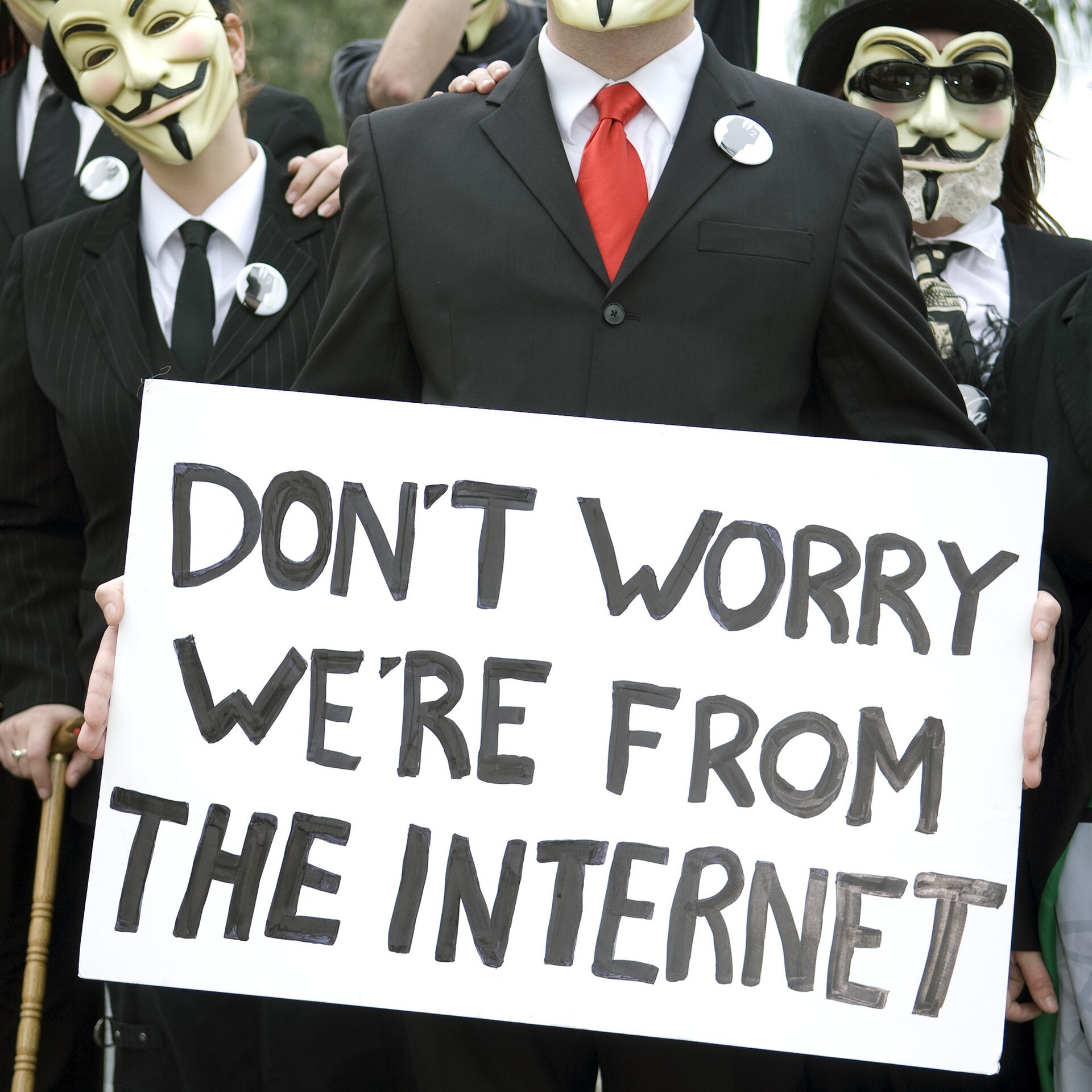
Tomorrow Britain burns Guy Fawkes again, and protesters everywhere wear his face. The man wanted a different king, and every official mask pays Warner Bros.
Tomorrow is November 5, and somewhere in England a stuffed figure in old clothes and a mask is going on a bonfire, as it has every year since 1605. Somewhere else, probably several somewheres, people will march wearing the same face. Both are Guy Fawkes. Only one of them knows what he was actually trying to do.
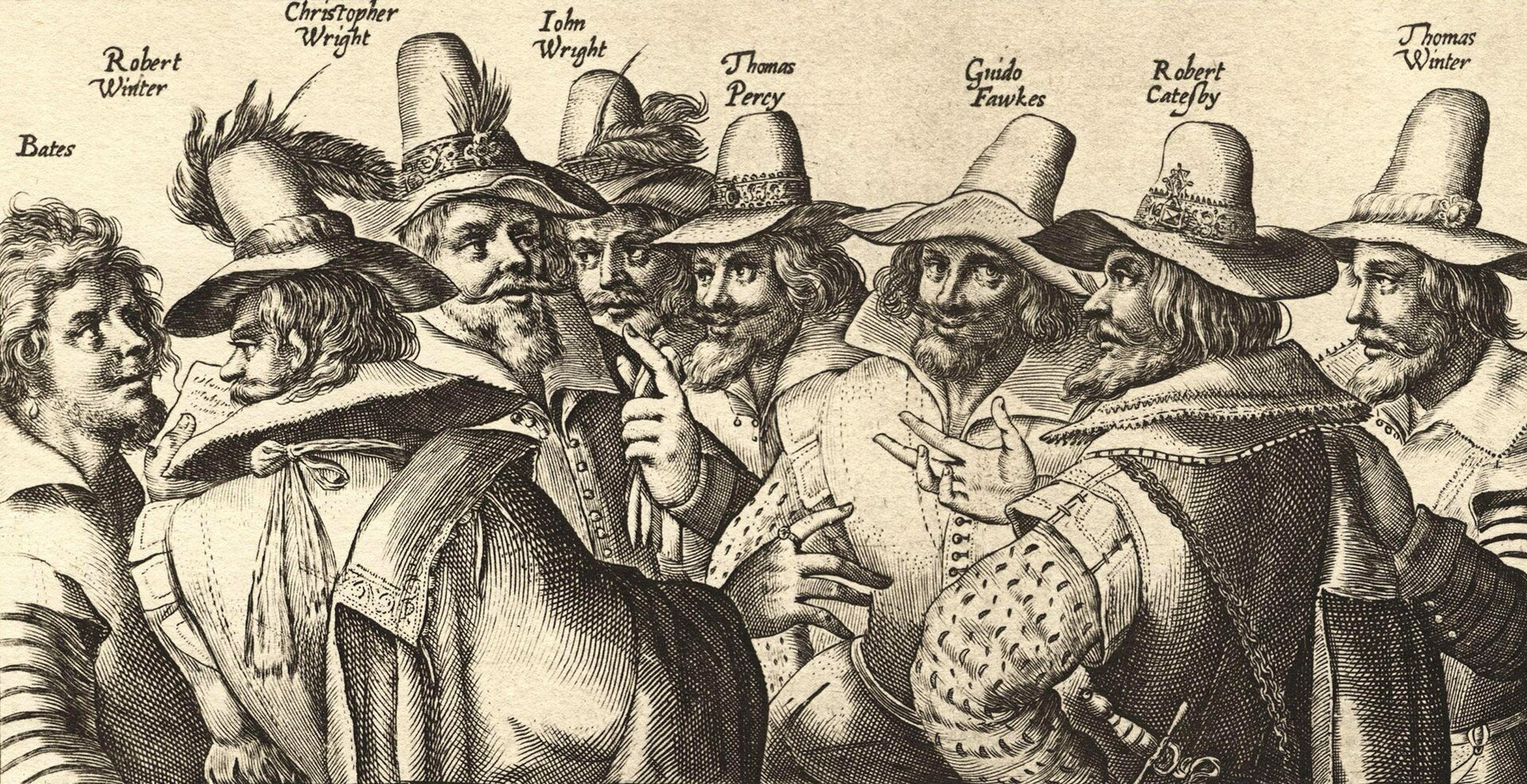
He was born in York in 1570, raised Protestant, and became a Catholic young. In 1591 he sold the land his father left him and went to Flanders to fight for Catholic Spain against the Dutch. In 1603 he travelled to Spain to ask Philip III to back a Catholic uprising in England, and for the trip he started using the Italian form of his name: Guido. Spain politely said no. So back in London he joined Robert Catesby's plan to blow up the House of Lords with King James I inside and put a Catholic monarch on the throne. Fawkes was the explosives man. In the early hours of November 5 he was found in the cellar under the Lords with the gunpowder and gave his name as John Johnson. They tortured the rest out of him in the Tower. On January 31, 1606, he broke his neck on the scaffold before they could do the worse parts of his sentence (Wikipedia).
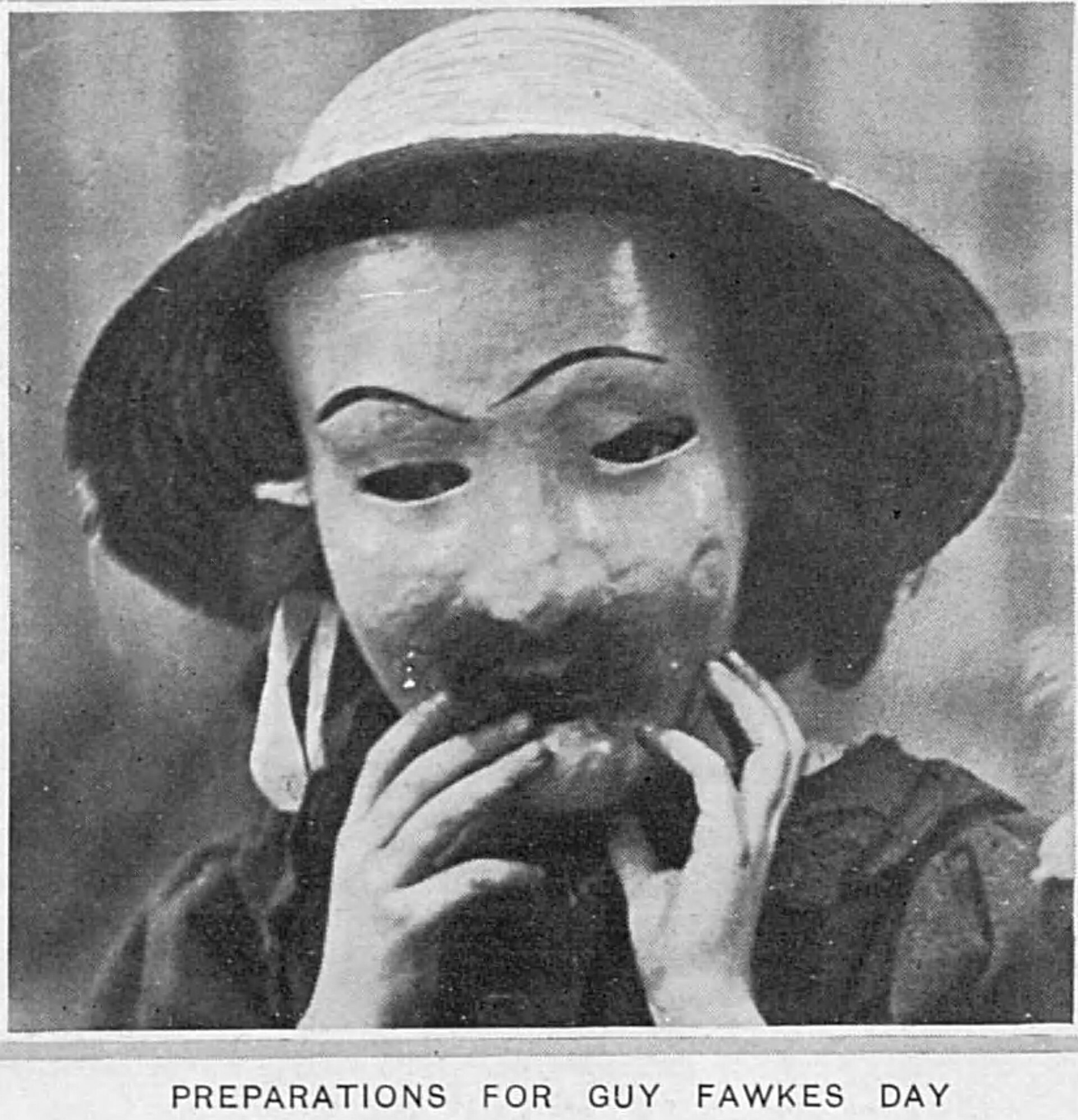
The bonfire came first. By the late 1700s children were going door to door asking for money with grotesquely masked effigies of him, and the effigy was called a guy. By the 19th century a guy was any oddly dressed man, and then just any man, and now "you guys" is everybody. The mask was the cheap part: paper and cardboard Guy Fawkes faces were sold to British kids every autumn, or given away with comics, until Halloween pushed them out in the 1980s.
Then in 1982 the illustrator David Lloyd was working out the look of an anarchist for Alan Moore's V for Vendetta and wrote himself a note: "Why don't we portray him as a resurrected Guy Fawkes, complete with one of those papier-mâché masks... We shouldn't burn the chap every Nov. 5th but celebrate his attempt to blow up Parliament!" Lloyd drew the smile, the red cheeks, the curled moustache. In 2006 Warner Bros. made the film and started mass-producing the mask. In 2008 Anonymous wore it to protest Scientology, because Church members photographed protesters' faces. After that it was Occupy, the Arab Spring, Hong Kong. It was in Buenos Aires in October 2011, and in Brazil in June 2013 Reuters photographed the masks coming off the line at a factory in São Gonçalo, outside Rio, that mostly makes Carnival masks.
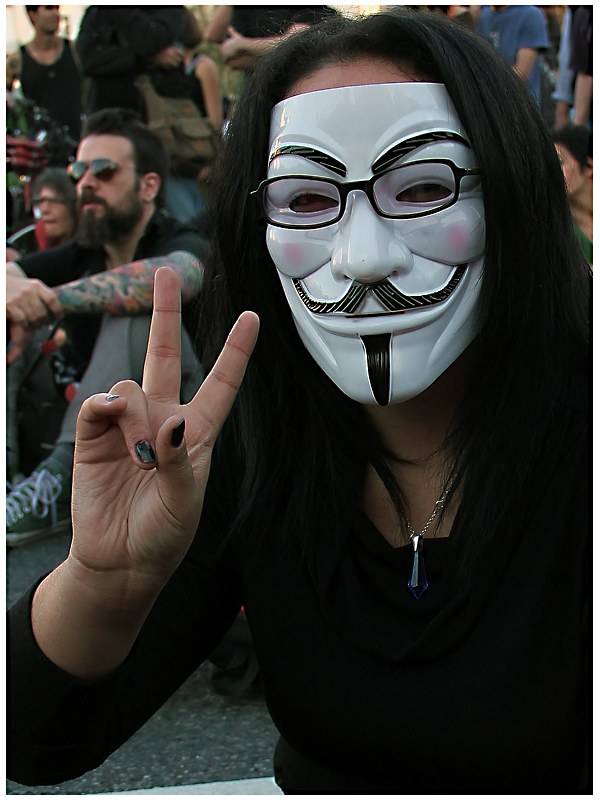
Somebody owns the face, though. In 2011 Time reported it was the best-selling mask on Amazon, and Warner Bros., which also owns DC Comics, is paid a fee on every official one. Rubie's, the costume company, told the New York Times it sold over 100,000 of them a year. Lloyd doesn't mind; he calls it "a convenient placard to use in protest against tyranny."
The English, at some point, started toasting Fawkes as "the last man to enter Parliament with honest intentions." He went in to crown a king.