Surplus to Requirements
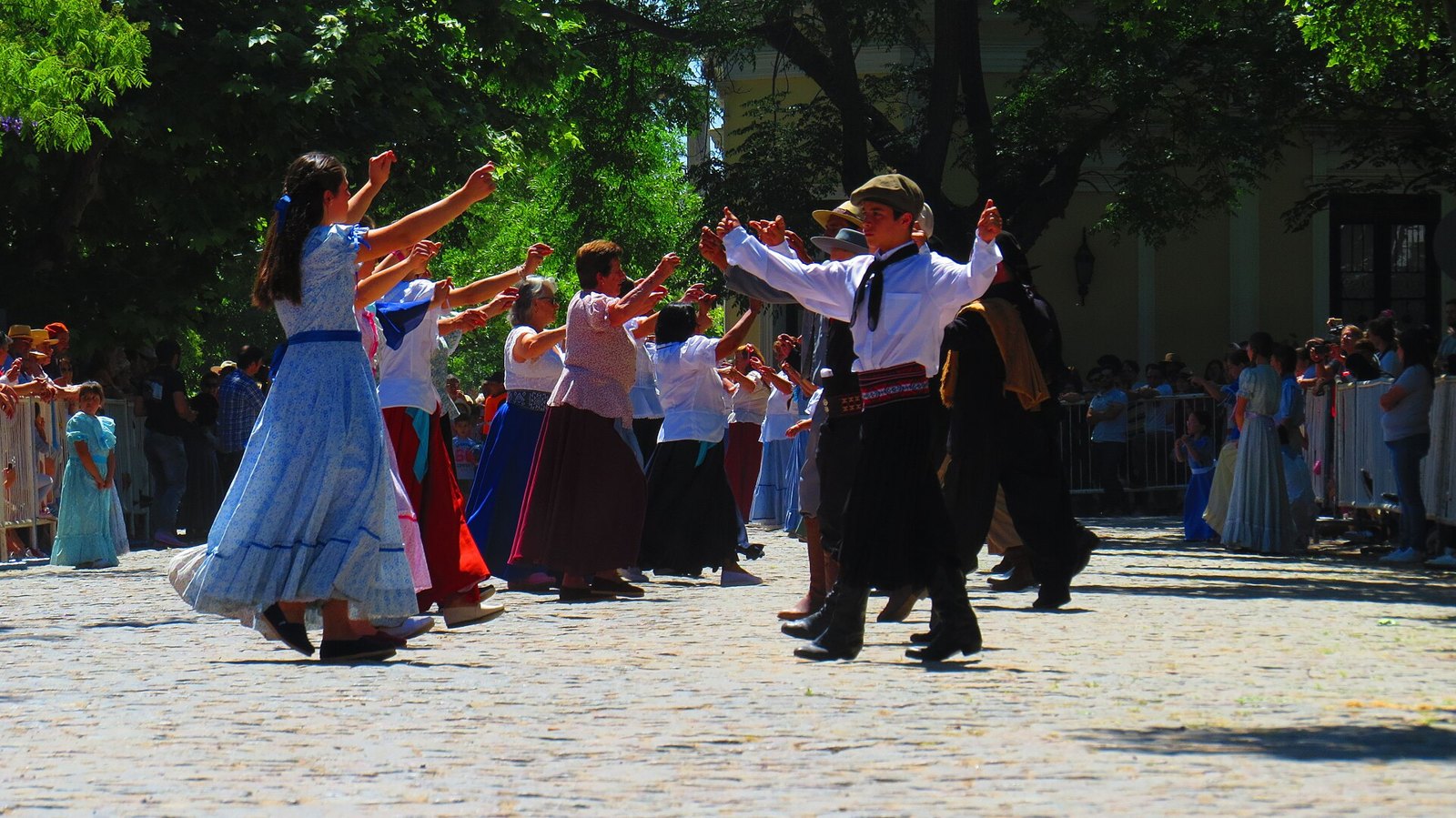
Next Tuesday Argentina dresses up as gauchos for Día de la Tradición. The trousers in that outfit were sewn for the Turkish army and arrived as leftovers from the Crimean War.
Next Tuesday, November 10, is Día de la Tradición. It's José Hernández's birthday (1834), the man who wrote Martín Fierro, and since 1939 Buenos Aires province has used it to celebrate the gaucho; Congress made it national in 1975. San Antonio de Areco, the province's official "seat of tradition," fills up with horses, folk dancing and men in boinas, neckerchiefs and wide pleated bombachas. The bombacha is the most traditional thing in that outfit. It's also the newest, and it isn't from here.
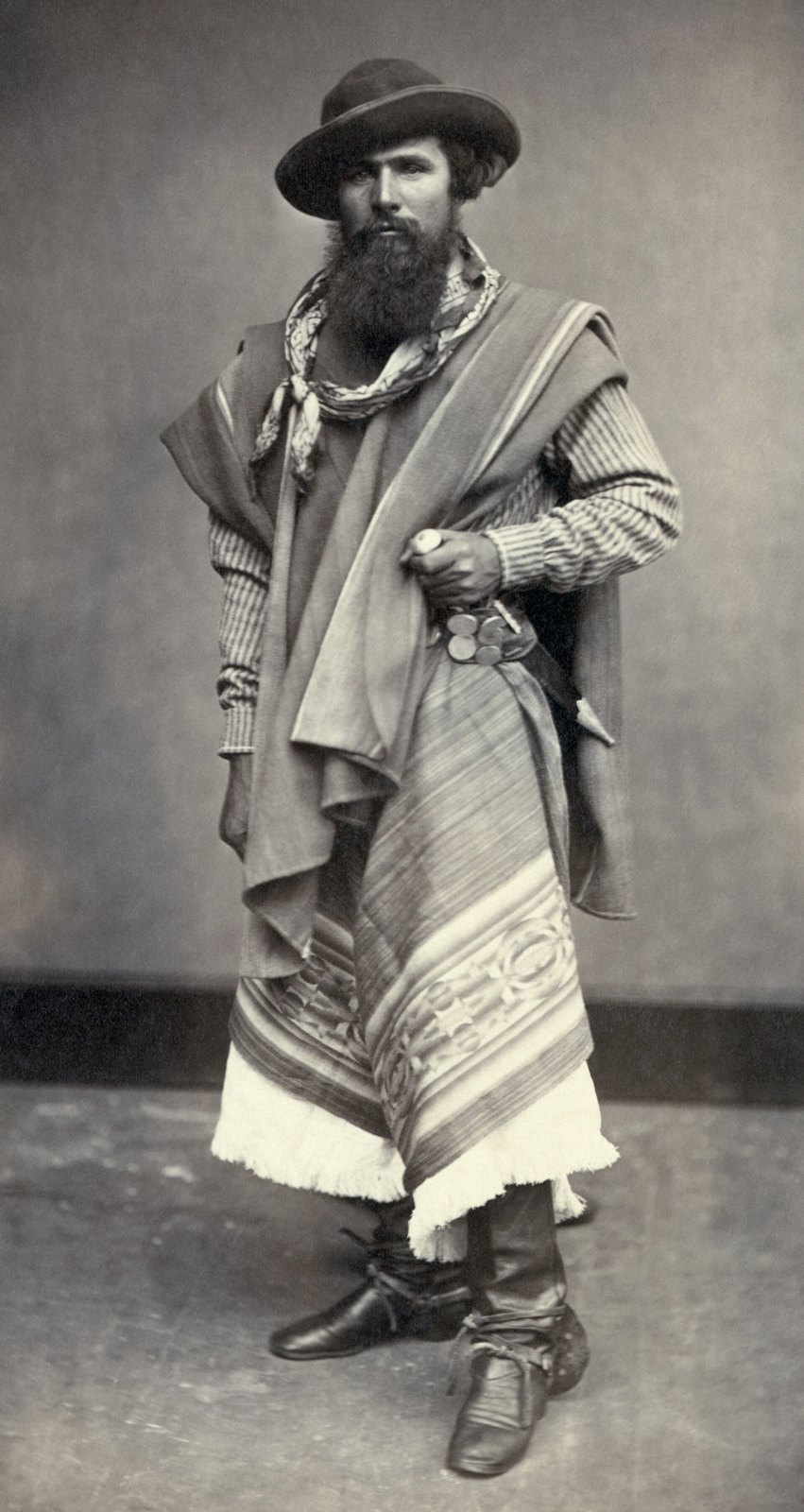
Until around 1860 a gaucho wore a chiripá: a blanket passed between the legs and tied at the waist like a nappy, over white drawers with fringed cuffs. "Not comfortable at all," the clothing designer and teacher Ximena Elicabe told La Arena. Then a war ended on the other side of the world.
In March 1856 the Treaty of Paris closed the Crimean War, Britain, France and the Ottoman Empire against Russia. France had been making baggy trousers for the Turkish army, and suddenly nobody needed them. The version most often told in Argentina is that a French diplomat offered the leftovers to Justo José de Urquiza, president of the Confederation, who took 100,000 pairs and paid in local goods. Another version, the one La Nación settled on after a run of reader letters arguing about it in 2006, has the poet Hilario Ascasubi sent to buy Crimean War surplus. Ascasubi wrote in the gaucho's voice, under pen names like Aniceto el Gallo. Either way, a president or a gaucho poet bought the gaucho his trousers out of the Turkish army's leftovers.
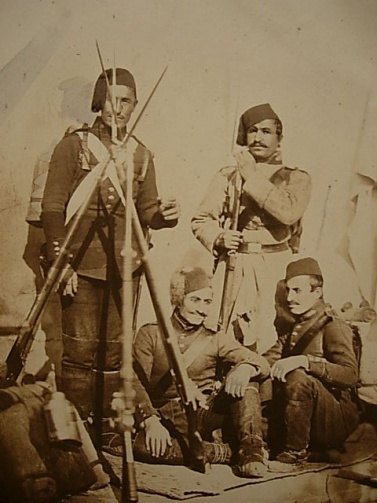
The red ones went to the army first. The grey ones ended up in the general stores out in the country, where peons bought them because they were cheap and you could ride in them. For a while the two lived together; La Nación points to photos of Segundo Ramírez, the real man behind Don Segundo Sombra, to show it. By the time anyone thought to call it tradition, the bombacha had won. Elicabe even suspects the word came along with them, "babucha" bent into "bombacha."
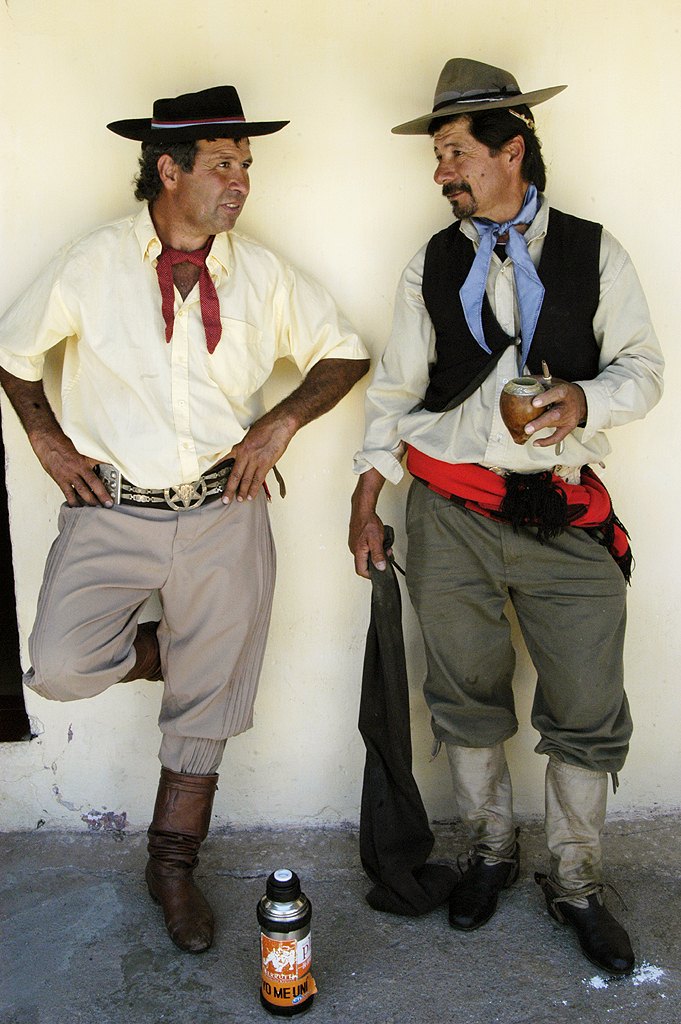
For decades after that, the man who carried clothes out to the estancias to sell was known as el turco (La Nación). He was usually Syrian or Lebanese, called Turkish because he'd come from the Ottoman Empire. The trousers had been made in France.