Looking for Credit
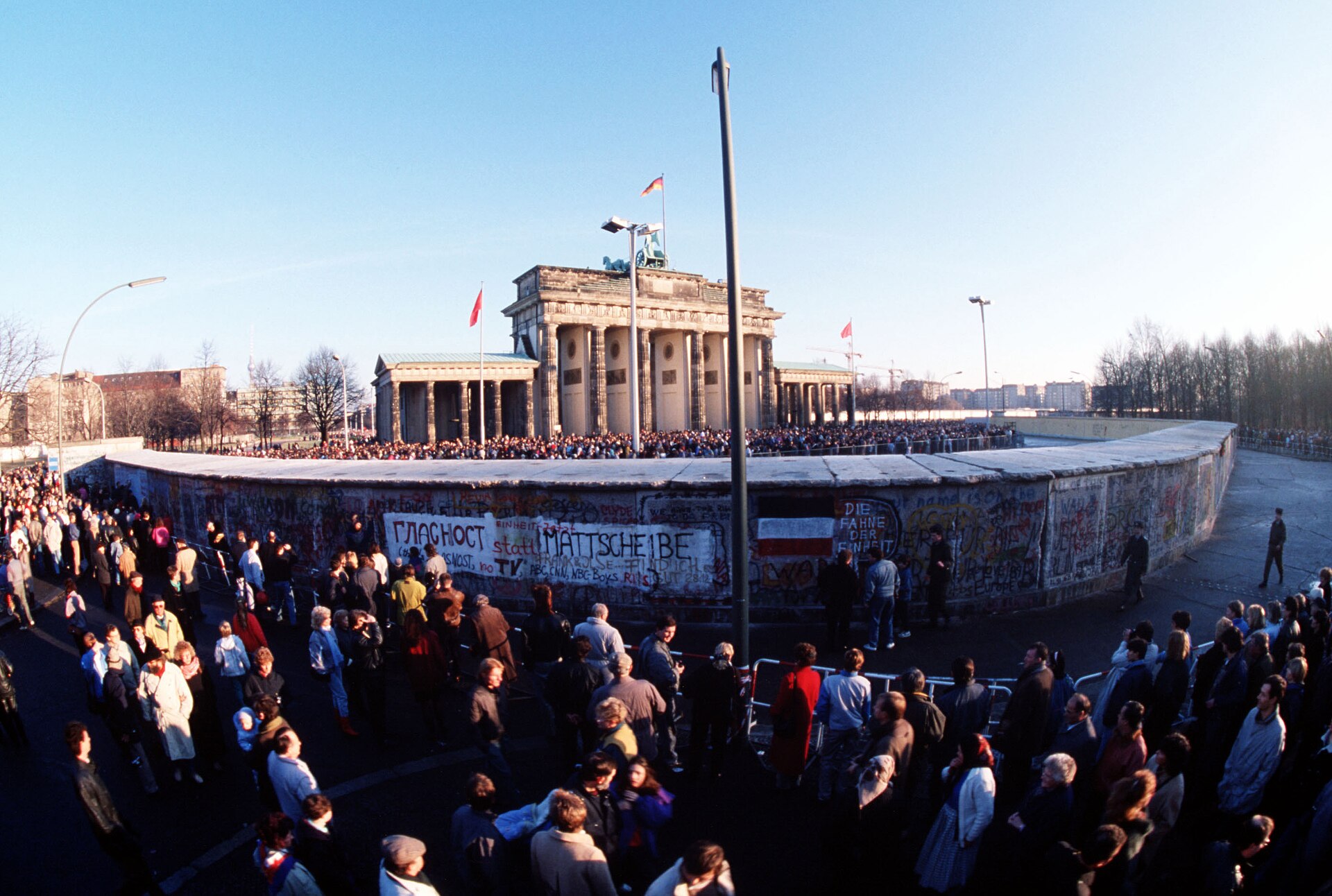
Monday is 37 years since the Berlin Wall opened. Its most famous freedom anthem was a 1978 song about a rich kid, and the man who sang it on the Wall wanted his photo in the museum.
On New Year's Eve 1989, seven weeks after the Berlin Wall opened, David Hasselhoff stood in a bucket crane by the Brandenburg Gate, wearing a leather jacket covered in lights and a scarf printed like a piano keyboard, and sang "Looking for Freedom" with the crowd. Monday, November 9, is 37 years since the Wall opened. The TV footage of the Hoff in the crane never really went away.
The song had nothing to do with walls. The German producer Jack White wrote the music in 1978, Gary Cowtan wrote the lyrics, and a German singer called Marc Seaberg recorded it first, in English. It's about a rich man's son who wants to make his own way instead of having everything handed to him. It peaked at number 16. A German version by Tony Marshall, "Auf der Straße nach Süden" ("On the road south"), got to 41. Both were recorded at Hansa Studio 2 in Berlin, and some of those same 1978 instrumental tracks ended up on Hasselhoff's version.
Hasselhoff sang it on Wetten, dass..? on March 4, 1989. It entered the West German chart on March 20, hit number one in its third week and stayed there for eight. It was the best-selling single of the year in West Germany. All of that happened more than seven months before anyone climbed on the Wall (the song's Wikipedia page has the chart run, the German one has the Wetten, dass..? date).
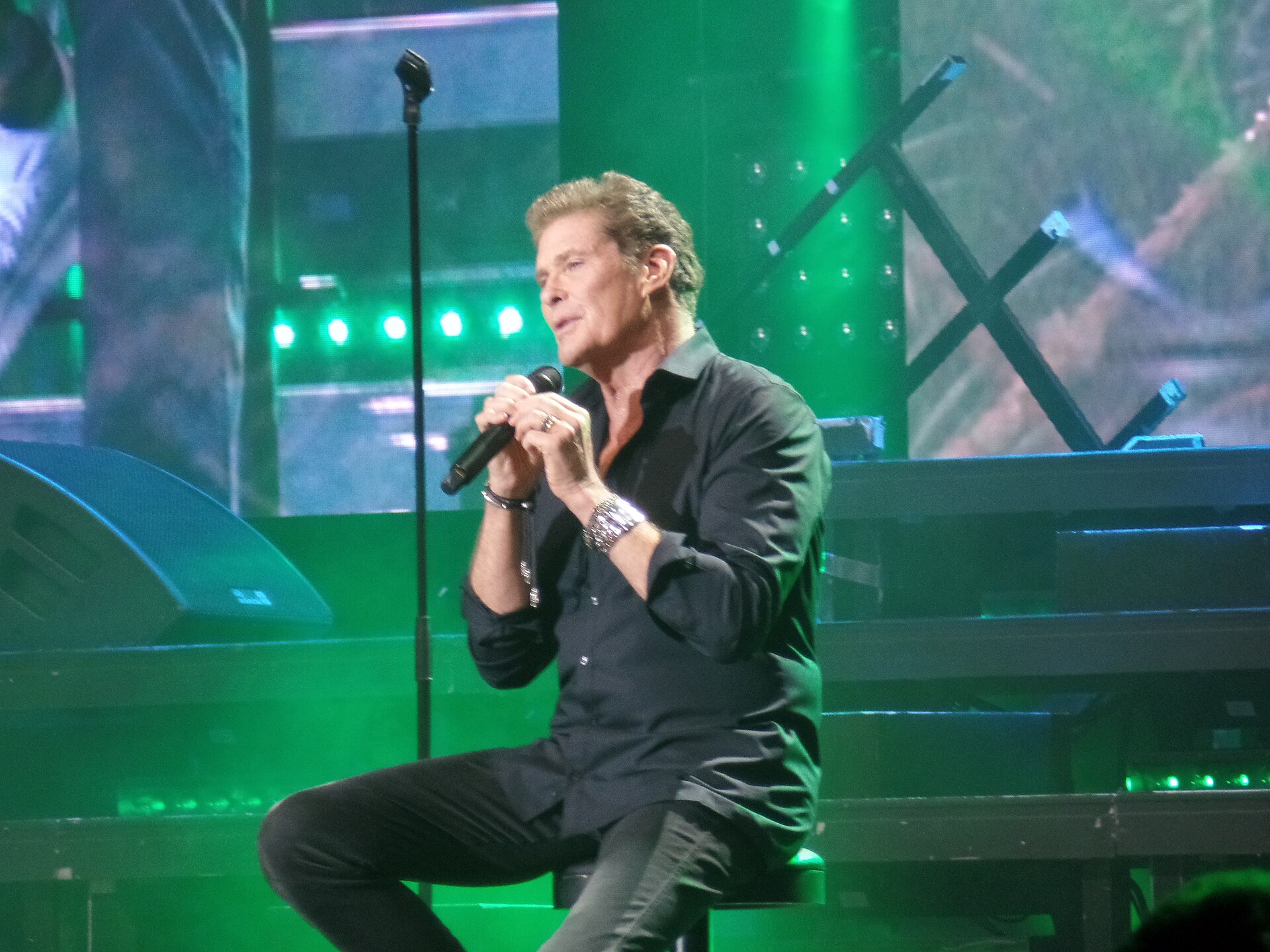
In 2004 he told the German magazine TV Spielfilm that he had helped reunite the country. He admitted hardly any of the East Germans could speak English. Then: "I find it a bit sad that there is no photo of me hanging on the walls in the Berlin Museum at Check-Point Charlie." After the show, he said, he chipped off pieces of the Wall painted in the German colours. "I kept the big piece for myself and gave the smaller pieces to colleagues at Baywatch" (via the BBC, quoted at History News Network).
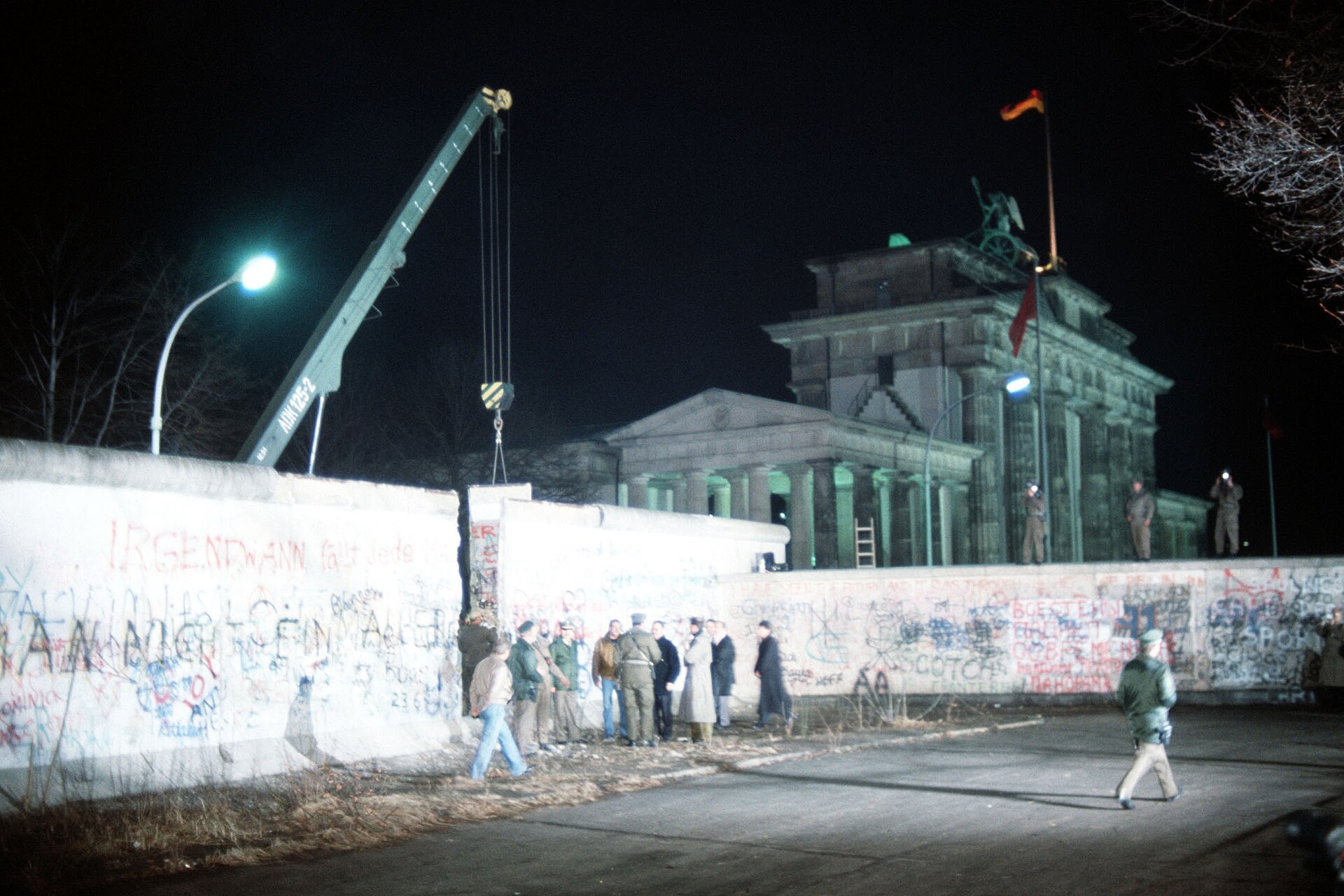
About Hansa. The studio sat roughly 150 metres from the Wall, which is why people called it "Hansa by the Wall." Twelve years before Hasselhoff, David Bowie made "Heroes" there: two lovers, one from each side of the Wall, written after he watched his producer Tony Visconti kiss the singer Antonia Maass beside it. Bowie put the title in quotation marks on purpose. On June 6, 1987 he played it in front of the Reichstag, near enough to the Wall that he sent his wishes, in German, to friends on the other side.
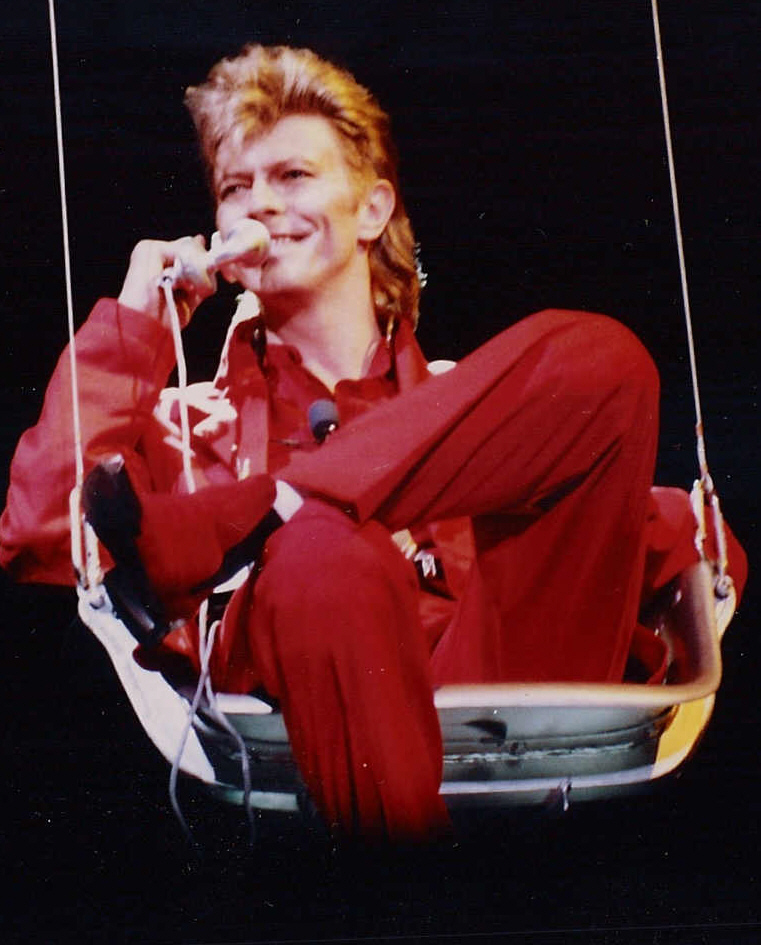
When Bowie died in January 2016, Germany's Foreign Office tweeted: "Good-bye, David Bowie. You are now among #Heroes. Thank you for helping to bring down the #wall." (Foreign Policy has it.) So Germany did officially thank a singer for the Wall. Just not the one in the crane.