A Bit Amazed
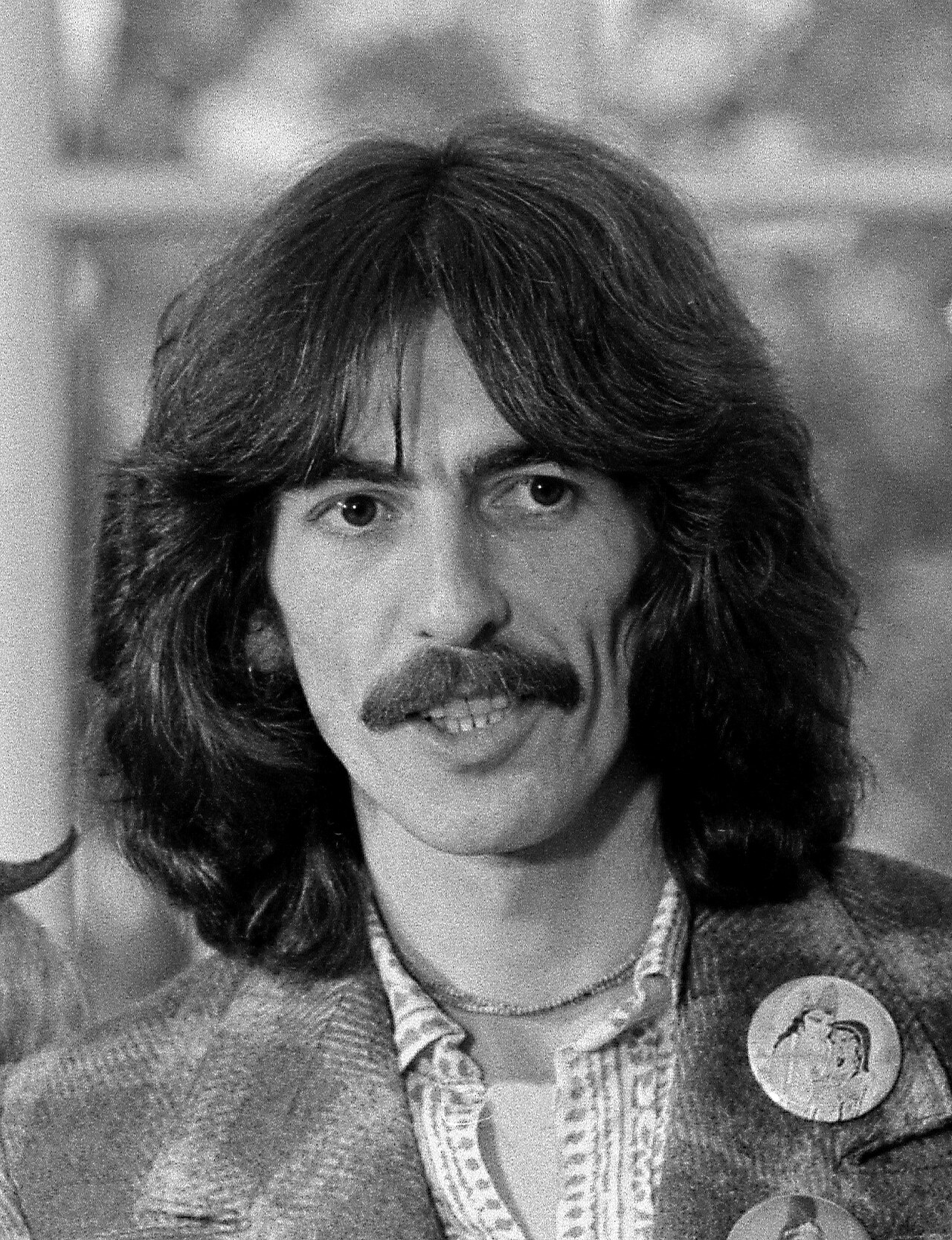
In 1971 George Harrison was sued over "My Sweet Lord." Seven years later, the man who had run his defense bought the song he was being sued over.
George Harrison died 25 years ago today. His first single after the Beatles, "My Sweet Lord," came out in November 1970 and went to number one more or less everywhere. On February 10, 1971, Bright Tunes Music sued him. Bright Tunes owned "He's So Fine," the song Ronnie Mack wrote for the Chiffons, a number one in 1963, and anyone who hummed the two side by side could hear why. Harrison later wrote in his memoir that when people started pointing it out, his first thought was "Why didn't I realise?"
At the time, Harrison's business affairs, like the rest of the Beatles', were run by Allen Klein and his company, ABKCO. Klein's general counsel handled the defense. Klein himself tried to settle the thing by offering to buy Bright Tunes' whole catalogue. Then in 1973 Harrison, Lennon and Starr fired Klein, and everybody sued everybody else for a while.
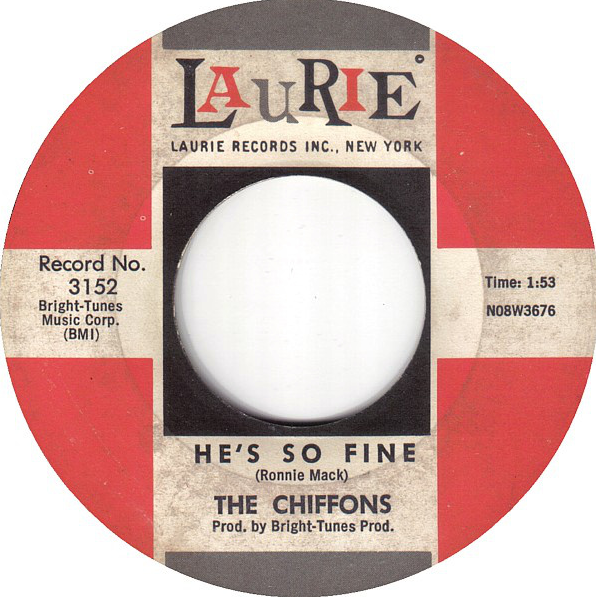
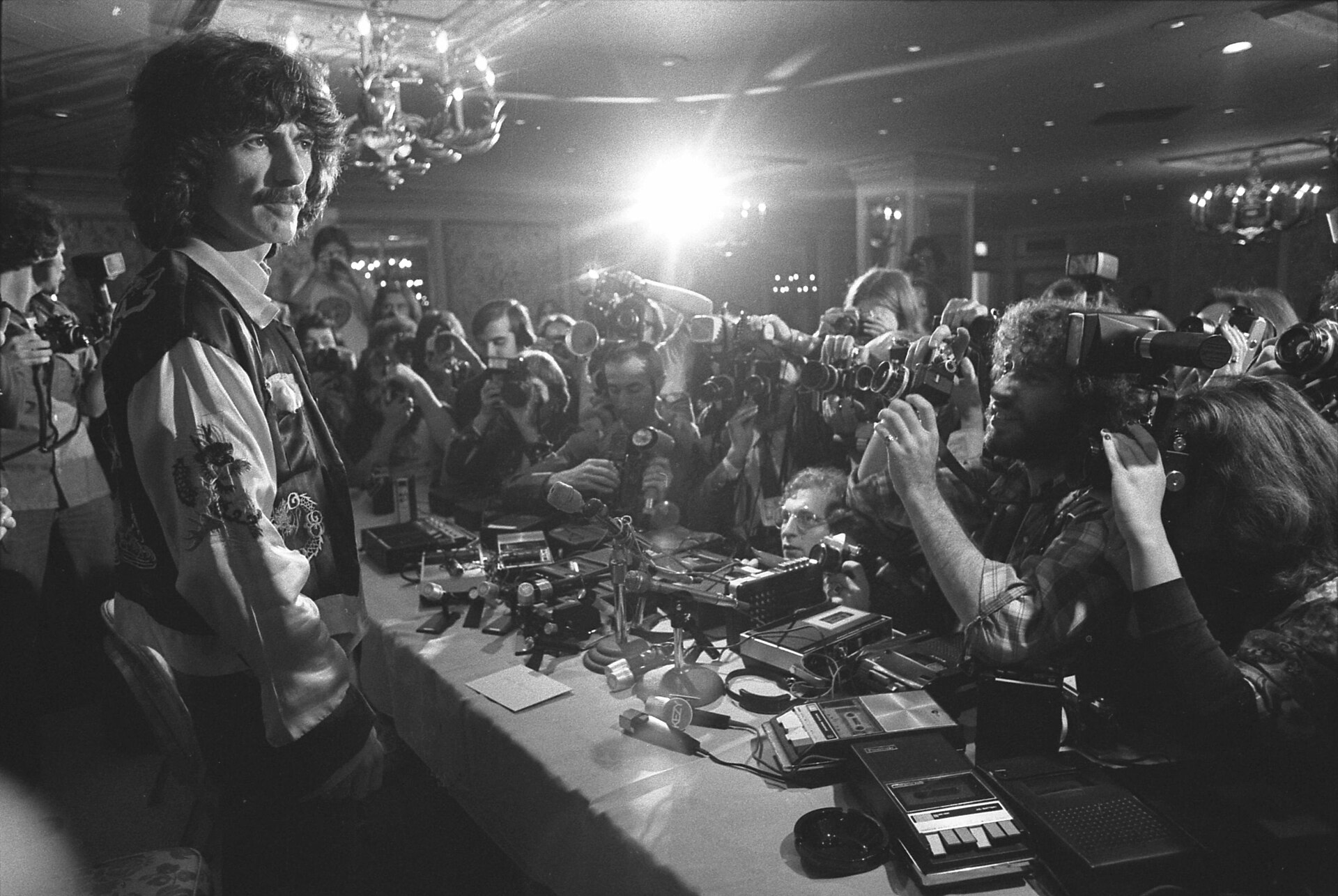
The case went to trial in New York in February 1976. Harrison showed up with a guitar. The judge, Richard Owen, wrote operas in his spare time. In September he ruled: "I do not believe he did so deliberately. Nevertheless, it is clear that 'My Sweet Lord' is the very same song as 'He's So Fine' with different words." Subconscious plagiarism, still infringement. Harrison answered with a new song about the case, called "This Song," with a pun on Bright Tunes in the lyrics.
What nobody on Harrison's side knew was that Klein had gone back to Bright Tunes on his own. According to the court, during the settlement talks just before the trial he handed them three schedules of "My Sweet Lord"'s sales figures, and on April 13, 1978, ABKCO bought "He's So Fine," plus the lawsuit against Harrison, for $587,000. Klein told Harrison himself. Harrison, the court noted, "was a bit amazed to find out." By July, Harrison's former manager was the plaintiff.

The judge had worked the damages out to $1,599,987. In 1981 he decided Klein had broken the duty a manager owes a client, a duty that doesn't end when the client fires you, and that ABKCO couldn't profit from it. Harrison would pay ABKCO what Klein had paid, $587,000, and get "He's So Fine" in return. The appeals court agreed in 1983. The details took another fifteen years.
When it finally ended, in March 1998, George Harrison owned "He's So Fine" in North America and Britain. Klein got the rest of the world.